
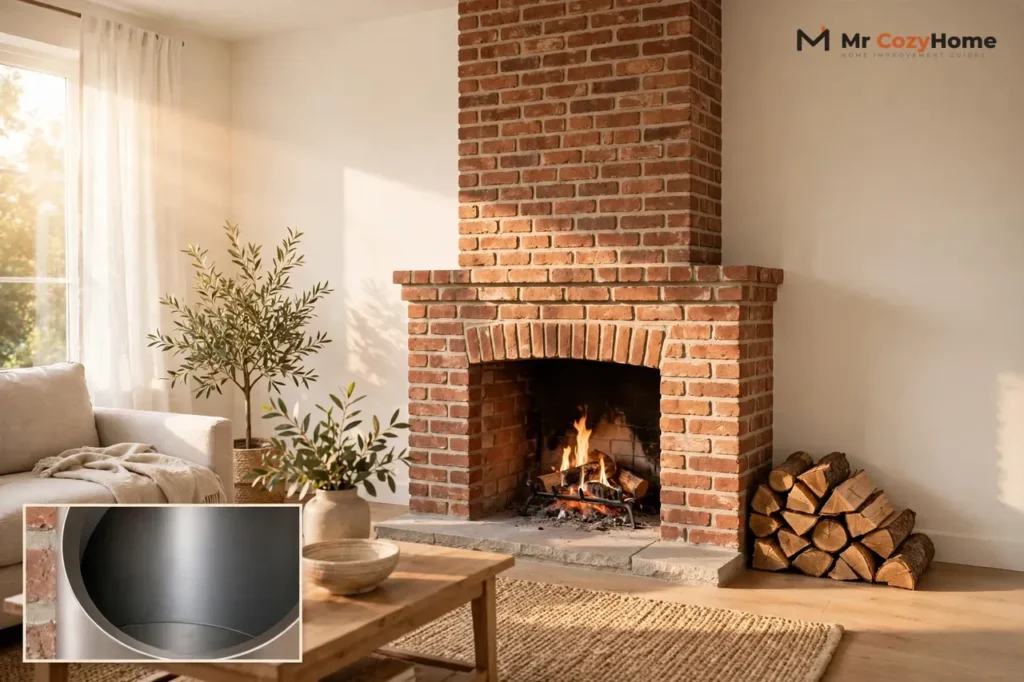
Chimney maintenance means an inspection at least once a year and a sweep the moment soot reaches 1/8 inch thick, because the Chimney Safety Institute of America says that much buildup can fuel a chimney fire.
That is the whole routine in one sentence, but it only works if you know what to check, when to clean, and when to call a professional. This guide covers the full year of chimney care: the schedule, the 1/8-inch rule, the three stages of creosote, what you can safely clean yourself, what it costs, and the signs that mean stop using the fireplace today. One part of the routine has nothing to do with soot at all. It is the check that catches the crack that lets carbon monoxide slip into your home.
What Is Chimney Maintenance?
Chimney maintenance is the yearly care that keeps your fireplace safe to light: inspect the whole system, clean out soot and creosote, fix small damage early, and check the parts that keep rain and animals out. It covers the firebox, damper, smoke chamber, flue liner, cap, crown, flashing, and outside brickwork.
Think of it as two jobs that work together. Cleaning removes deposits; inspection finds problems. An inspection looks for cracked flue tiles, crumbling mortar, a rusted damper, a missing cap, and nests that block the flue. Brushing alone never finds a cracked liner, and looking alone never removes the fuel for a chimney fire.
Most of the work happens once a year, before the burning season starts. A few small jobs sit between visits: clearing ash from the firebox, checking the damper moves freely, and looking at the cap and brickwork from the ground after a big storm. Inspect once a year and sweep at 1/8 inch is the rule that holds the whole routine together. The question is how fast your chimney reaches that line, and the next section answers it.
Gas fireplaces need this routine too, even though they make almost no creosote. A bird nest or a rusted vent can block a gas flue just as fast as soot blocks a wood one. That is why the schedule below treats every fuel the same on inspection day.
How Often to Clean a Chimney
Clean your chimney once a year as a baseline, and sooner whenever soot reaches 1/8 inch thick or you see shiny glazed creosote. Inspect it at least once a year no matter what, even if you barely used the fireplace, because the Chimney Safety Institute of America follows NFPA 211, the national standard, which says chimneys, fireplaces, and vents shall be inspected at least once a year.
Inspection runs on a calendar and cleaning runs on a measurement. A chimney you used three times still needs its yearly look, because animals nest in unused flues and mortar cracks over a quiet summer. But it may not need a sweep, because three fires leave almost no soot behind.
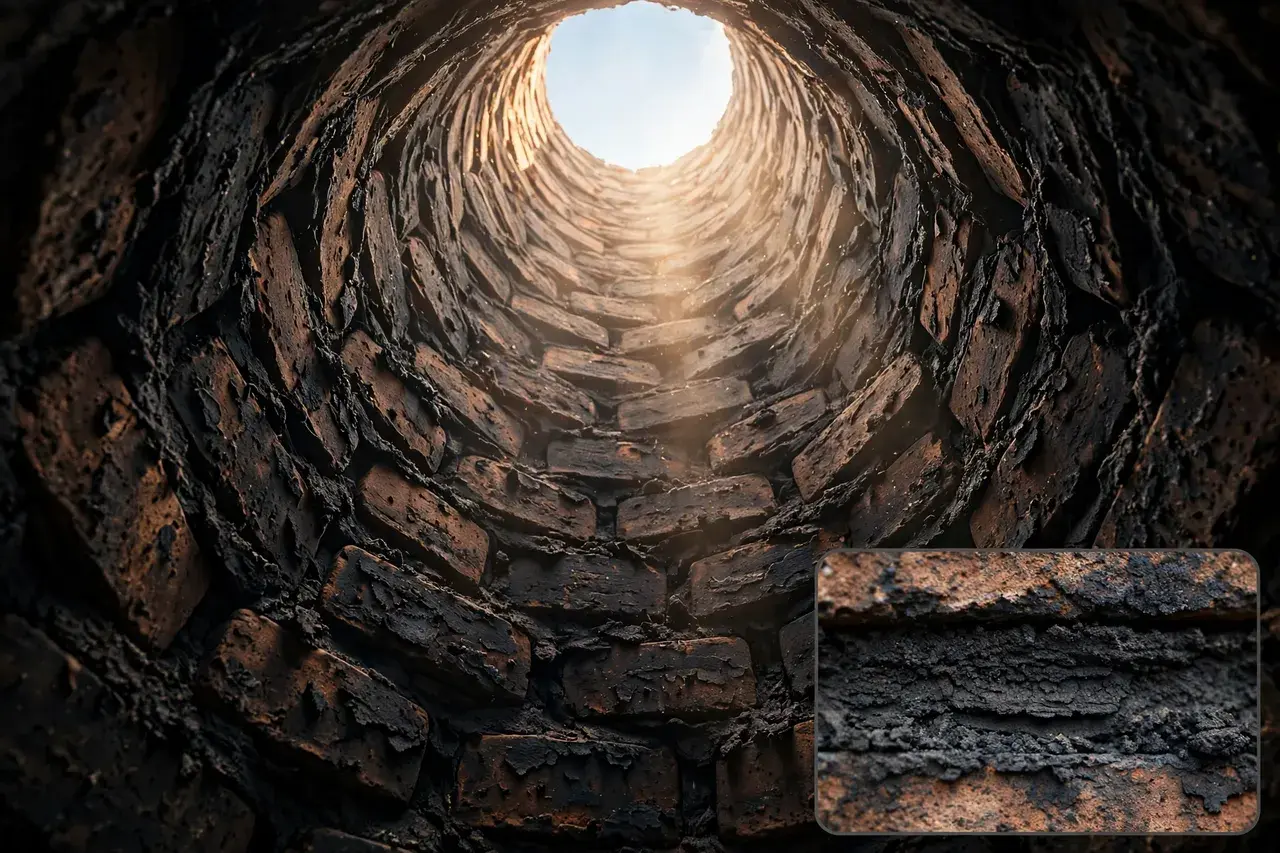
The measurement comes from the Chimney Safety Institute of America (CSIA), which recommends that masonry fireplaces be swept at 1/8 inch of sooty buildup, and sooner if any glaze is present. 1/8 inch of soot is the sweep trigger, and a nickel is about that thick, so if you scratch the flue wall with a poker and the black layer is a nickel deep, it is time to book a sweep. Factory-built metal fireplaces are different: sweep them when any appreciable buildup appears, because the deposits are acidic and corrode the metal parts.
How fast you reach that 1/8 inch depends on how and what you burn. Wet wood and softwoods like pine make creosote far faster than dry seasoned hardwood. A wood stove heating the house all winter can hit the limit in one season, while a fireplace lit a few weekends a year may take two or three seasons.
| System and use | Inspection | Typical cleaning |
|---|---|---|
| Wood stove or fireplace as main heat, daily use | Every year, plus a mid-season check | Once or twice a season |
| Wood fireplace, several fires a week | Every year | About once a year |
| Wood fireplace, occasional or weekend fires | Every year | Every 1 to 3 years |
| Gas fireplace or gas logs | Every year | Rarely needs sweeping |
| Oil furnace flue | Every year | When the inspection finds deposits |
One more number belongs here. The U.S. Department of Energy reports that even one-tenth of an inch of soot can drop heat transfer efficiency by 50 percent, so a dirty chimney wastes your heat too. Our chimney sweep cost guide breaks down the price of a visit by job and region.
That table is the plan. The next section is the visit itself, and it is where most of the value hides.
What a Chimney Sweep Inspection Actually Checks
A chimney sweep inspection checks the whole path smoke travels, from the firebox to the top of the flue, plus the outside of the chimney. A standard yearly visit is a Level 1 inspection under NFPA 211: a visual check of the accessible parts of the chimney, the firebox, the connections, and the clearances, with a sweep when the inspection finds deposits worth removing.
Ask for a Level 1 inspection and a sweeping by name when you book. The CSIA advises exactly that, because a sweep who does not know what a Level 1 inspection is may only brush the firebox bricks and call it done. A complete sweeping includes the flue and the smoke chamber, not just the part you can see.
Here is what a good inspection covers, top to bottom:
- Firebox: cracked or missing firebrick, damaged mortar, and soot patterns that show smoke rolling back into the room.
- Damper: opens fully, closes fully, and seals without warping or rust.
- Smoke chamber and smoke shelf: creosote buildup, which is heaviest here, and loose brick or mortar.
- Flue liner: cracks, gaps, missing tiles, and glazed creosote a brush cannot remove.
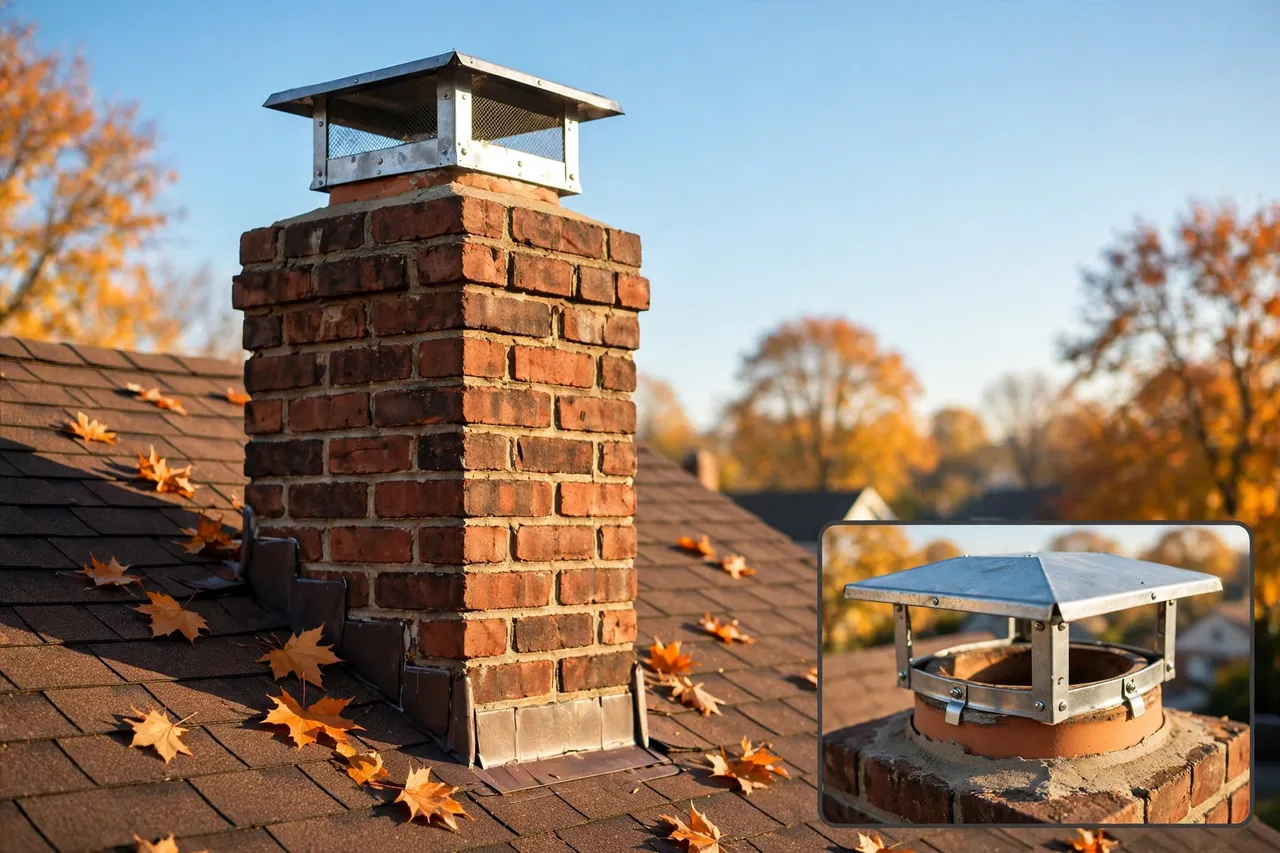
- Cap and crown: cracks, rust, or a missing cap that lets rain and animals in.
- Flashing and outside brick: loose mortar, spalling brick, and white stains that mean water is getting in.
- Blockages: nests, leaves, and debris anywhere in the flue.
A Level 1 inspection is the standard yearly check for a chimney that has not changed since last year. You need a deeper Level 2 inspection, which adds a video scan of the flue, when you buy or sell the house, change the fuel or appliance, or after a chimney fire or storm damage. Level 3 is rare and means opening up parts of the chimney to reach a suspected hazard.
If the sweep finds a cracked cap or a rusted damper, fix it while the visit is fresh. Our chimney cap repair guide shows what small cap damage costs to fix, and our chimney topper guide explains what sits on top of the flue. Ask for the photos from the inspection, so you can see the flue yourself and compare it next year.
Now you know what the pro looks for. The next section explains the one deposit that makes all of this urgent.
Creosote: The Three Stages and Why Glaze Changes Everything
Creosote is the flammable, tar-like deposit wood smoke leaves on flue walls, and it builds in three stages. Stage 1 is light, flaky soot that a brush removes easily. Stage 2 is a harder, crusty, tar-like coating that resists a standard brush. Stage 3 is glazed creosote: a shiny, hardened layer no brush can remove, and it burns hotter and faster than the rest.
Creosote forms when wood smoke cools on its way up the flue and condenses on the walls. Wet wood, cool fires, and restricted airflow make it worse. That is why seasoned hardwood and hot, well-ventilated fires keep a chimney cleaner than smoldering fires built from damp logs.
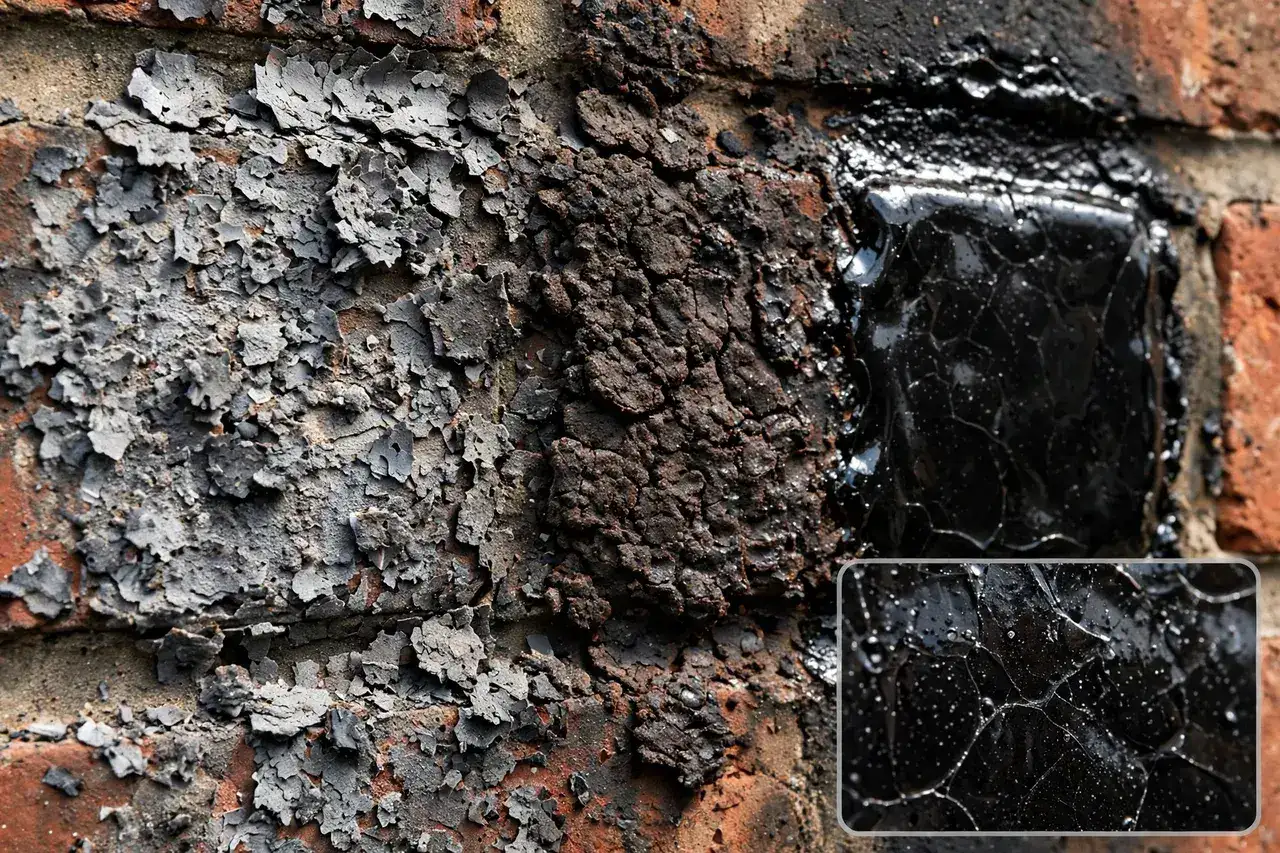
Stage decides who does the cleaning. Stage 1 is a routine sweep. Stage 2 needs stronger tools and more time. Glazed creosote needs a professional, because it takes chemical treatment or rotary cleaning to break it down, and a fire over it can reach 2,000°F, hot enough to crack flue tiles and ignite nearby framing.
Here is the part that surprises most homeowners: the CSIA says even a 1/8-inch layer of creosote is enough to cause a chimney fire that can damage the chimney or spread to the home. Creosote can ignite at temperatures as low as 451°F, which a normal fire easily passes. That is why the 1/8-inch rule is not a suggestion for tidy people. It is the line between a dirty chimney and a dangerous one.
You can check for glaze yourself with a flashlight. Shine it up the flue from the firebox and look at the walls above the damper. Flaky black soot is Stage 1. A shiny, black, tar-like coating is glaze, and shiny black glaze means stop and call a pro. Do not light a fire until it is dealt with.
Creosote is the reason the schedule exists. The next section is about the cleaning itself, and where your own hands should stop.
DIY Chimney Cleaning: What You Can Do and Where to Stop
DIY chimney cleaning means brushing soft soot and flaky Stage 1 creosote out of a straight, previously inspected flue with a chimney sweep kit, and it never replaces the annual professional inspection. You can do the brushing between pro visits. You cannot do the inspection, and you cannot safely remove glazed creosote, fix a cracked liner, or work on a steep roof.
What a Chimney Sweep Kit Includes
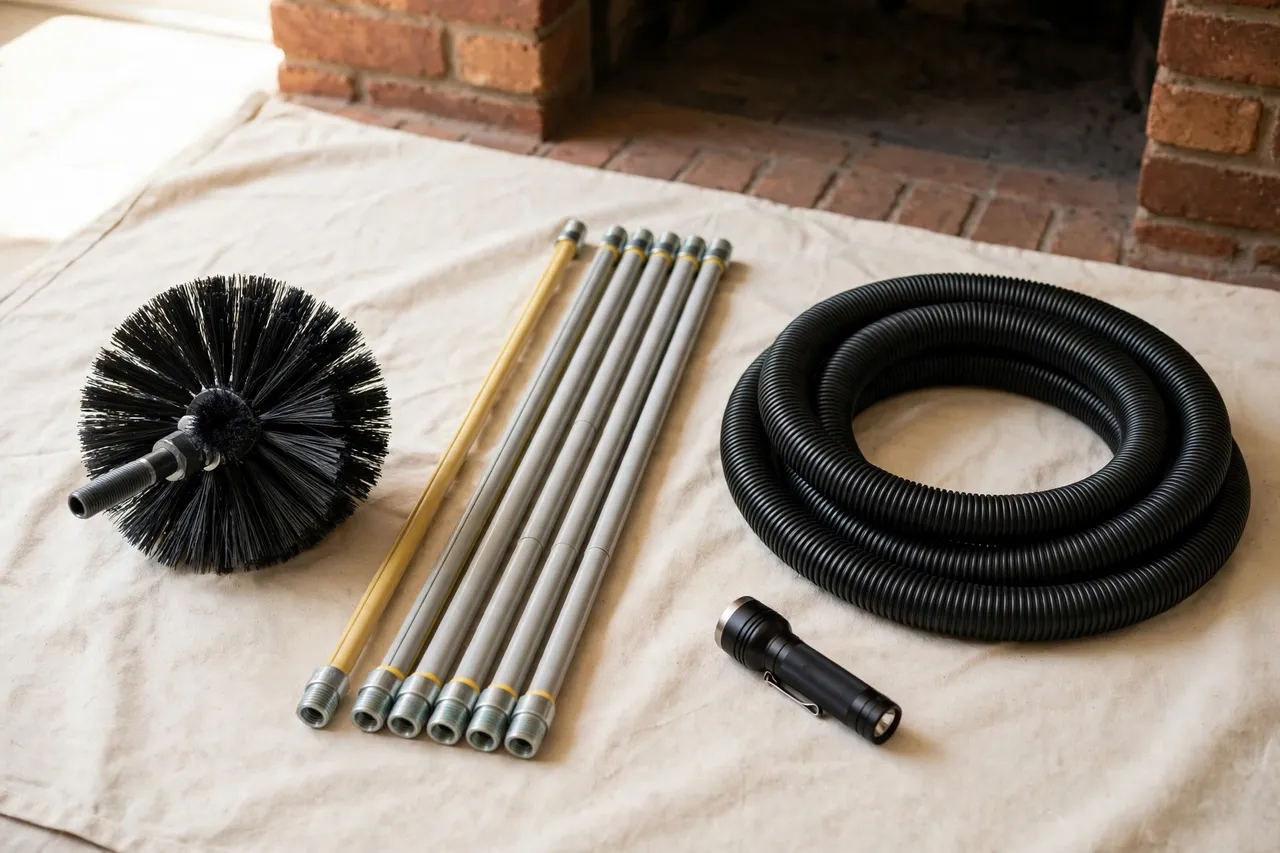
A basic chimney sweep kit has a chimney cleaning brush sized to your flue, flexible fiberglass rods that screw together, and often a drop cloth. The brush matters most, and the wrong brush does real damage. Use a wire brush for clay or masonry flues and a poly brush for steel liners, because wire scratches stainless steel, and the scratches hold future creosote. Measure your flue first and size the brush to match it, or up to a quarter inch larger.
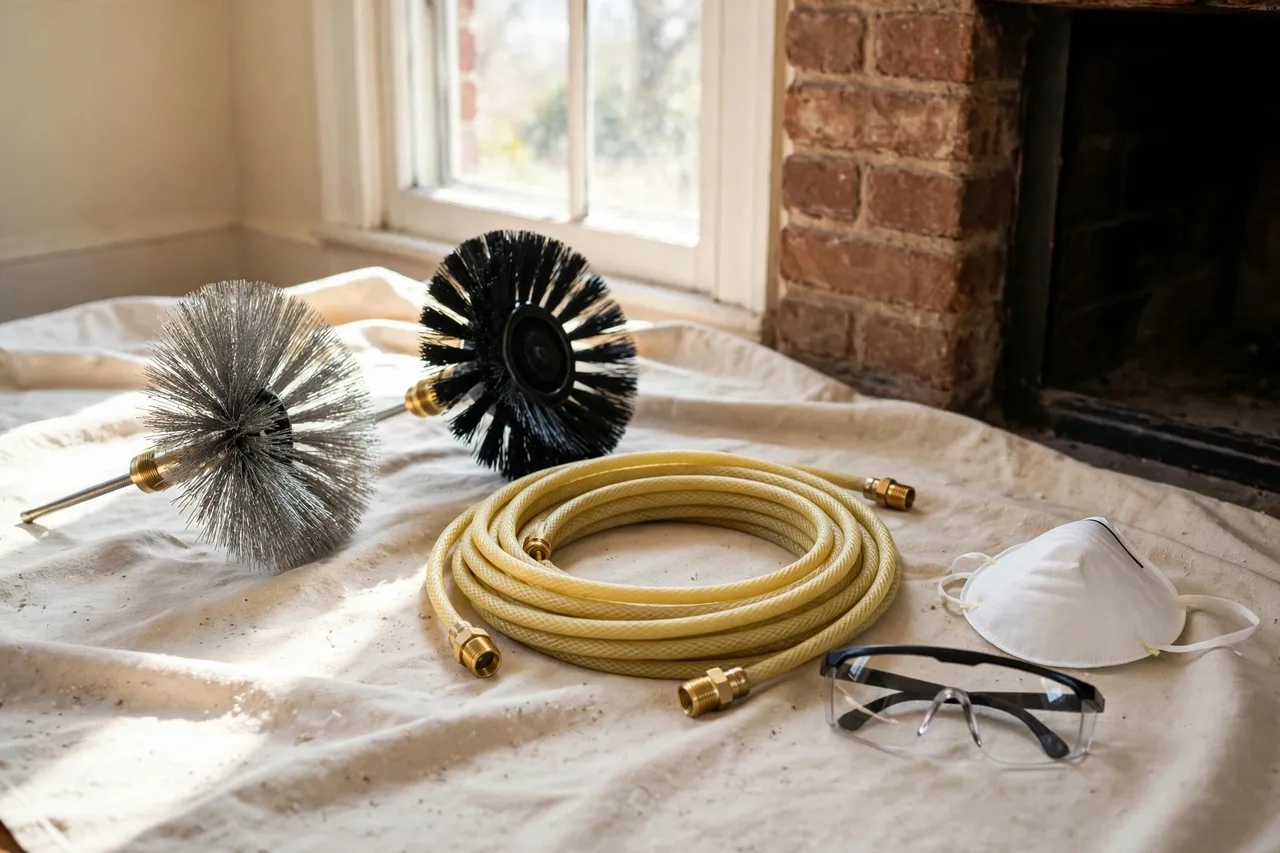
Add safety glasses, a dust mask or respirator, gloves, and old clothes. Soot is fine, black, and everywhere once it starts falling, so seal the fireplace opening with plastic sheeting and keep a shop vacuum nearby.
How to Brush a Straight Flue Safely
Work only on a cold chimney that has not been used for at least 24 hours, and only if a professional has inspected it before and cleared it as safe. If the fireplace has never been inspected, book that first.
- Seal the fireplace opening with plastic sheeting and lay drop cloths on the floor and furniture.
- Put on your mask, glasses, and gloves, and open the damper fully.
- Push the brush up the flue from the firebox, adding rods as you go, and scrub with short up-and-down strokes.
- Work the smoke chamber and smoke shelf too, since most creosote collects there.
- Pull the brush back down slowly, then vacuum the firebox and smoke shelf clean.
- Shine a flashlight up the flue and check what is left on the walls.
If the walls still show a shiny black coating after brushing, that is glaze, and the DIY job is over. The same goes for cracked flue tiles, crumbling mortar, or daylight where there should not be any.
When DIY Must Stop
| Situation | DIY | Call a pro |
|---|---|---|
| Soft soot or flaky creosote, straight flue | Yes | No |
| Shiny glazed creosote | No | Yes |
| Cracked flue tiles or crumbling mortar | No | Yes |
| Steep, wet, or slippery roof | No | Yes |
| Flue with bends or offsets | No | Yes |
| Annual inspection | No | Yes |
Between visits, stick to small jobs: clear ash, wipe the firebox brick, and check the damper moves freely. Our how to clean a brick fireplace guide shows how to clean the firebox without damaging the brick, and our gas fireplace upkeep guide covers the yearly checks for gas units.
Here is the problem with DIY cleaning done well: it feels complete, and it is not. Brushing removes deposits. It never checks the liner, the clearances, or the structure. That is the job the yearly calendar in the next section protects.
The Best Time of Year for Chimney Maintenance
The best time for chimney maintenance is late summer or early fall, before the first fire of the season and before every sweep in town is booked solid. Spring is the second-best choice: it clears winter buildup before humid summer air turns it corrosive, and repairs have months to finish.
Timing matters for three reasons. First, sweeps book up in October and November, when everyone remembers the fireplace at once, so late-summer appointments are easier to get. Second, repairs need dry weather: mortar and masonry cure best in warm, dry months. Third, a spring cleaning removes creosote before summer humidity turns it into acids that attack the flue liner.
| Season | Do this |
|---|---|
| Spring | Book the inspection and sweep; clear winter buildup before humid air turns it corrosive |
| Summer | Do masonry, crown, and cap repairs while the weather is dry |
| Early fall | Final check: cap secure, damper moving, no nests; light a small test fire |
| Winter | Burn seasoned hardwood only; watch for smoke, smells, and weak draft |
Late summer or early fall is the sweet spot for most homes: the work is done, the repairs have time to cure, and the chimney is ready the day the cold arrives. If you missed that window, do not wait for next year. Book the inspection now.
Before the first fire, check the cap from the ground with binoculars. If it is cracked or missing, our chimney cap replacement guide shows what a new cap involves. The calendar is set. Now the question everyone asks next: what does all of this cost?
How Much Does Chimney Maintenance Cost?
A routine chimney cleaning with an inspection typically costs $130 to $380 in the US, according to Angi, updated July 9, 2026, with hourly rates around $65. That range covers a standard sweep and Level 1 inspection for a chimney in normal condition; heavy glaze, a tall chimney, or extra repairs push the price up.
Guess which costs more: a yearly sweep, or the repair you get when you skip five of them? The sweep, every time. Angi puts an average chimney repair at around $500, and a cracked liner or a rebuild runs into the thousands.
Price mostly comes down to access and condition. A short, straight flue on a single-story home is the easy case. A tall chimney, a steep roof, heavy Stage 2 or Stage 3 creosote, and animal removal all add time and cost. Get the quote in writing first, and check that the sweep is CSIA-certified and insured.
A standard sweep and inspection runs $130 to $380. If the inspection finds damage, our repair fireplace guide walks through the common smoke, crack, and draft fixes and what they cost. For the full breakdown of sweep pricing, see our chimney sweep cost guide.
Price is settled. The next section is the one that matters most, because it tells you when the calendar no longer applies.
Warning Signs Your Chimney Needs Help Now
Some chimney problems cannot wait for the next scheduled visit. Stop using the fireplace and call a professional right away if you see any of these signs.
- Smoke drifts into the room even with the damper fully open.
- A strong smoky or sour smell from the fireplace when it is not in use, worse on humid days.
- Fires are hard to light or will not stay lit.
- Black flakes fall into the firebox, or you see a shiny black glaze on the flue walls.
- Animals, scratching, or chirping sounds come from the chimney.
- White stains spread across the outside brick, or mortar crumbles when you touch it.
- Pieces of flue tile or mortar fall into the firebox.
- It has been more than a year since the last inspection, or you just bought the house and do not know its history.
Smoke in the room means stop. Put the fire out safely, open a window for fresh air, and do not relight it until a professional has found the cause. A blocked flue can push carbon monoxide into the house, and the U.S. Environmental Protection Agency (EPA) notes that carbon monoxide is odorless and colorless, so you cannot see or smell it building up.
White stains on the brick mean water is getting in. Those stains are efflorescence, mineral salts left behind when water moves through the masonry, and water is the slow killer of chimneys: it cracks mortar in winter, rusts the damper, and rots the structure around the flue. Catch it early and it is a small repair. Ignore it and it becomes a rebuild.
If you want a detector that warns you in time, our best carbon monoxide detector guide compares the top options, and our what to do if a carbon monoxide alarm goes off guide tells you exactly what to do when it sounds.
Safety First: When to Call a Professional
Call a CSIA-certified chimney sweep or a licensed chimney professional for anything beyond soft soot on a straight, inspected flue. That means glazed creosote, cracked flue tiles, crumbling mortar, a stuck damper, smoke in the room with the damper open, animals in the flue, or a chimney that has not been inspected in over a year. Call one before you use a fireplace in a home you just bought.
Roof work belongs to the professional too. If the roof is steep, wet, or slippery, or you have no harness and no one to hold the ladder, stay on the ground. A fall from a roof costs far more than a sweep visit.
Keep working smoke and carbon monoxide alarms in your home, and know what each one sounds like. Our what does a carbon monoxide alarm sound like guide helps you tell the alarm patterns apart, and our do smoke detectors detect carbon monoxide guide clears up the confusion between the two. The EPA recommends an annual professional inspection of all fuel-burning appliances to catch carbon monoxide leaks early.
If your CO alarm sounds, get everyone to fresh air at once and call 911. Do not open windows and wait, and do not go back inside to check the fireplace. Never climb a steep or wet roof to clean a chimney yourself; that is the professional’s job, with the right harness and the right insurance.
Safety disclaimer: This article is general home information, not professional advice. Fireplaces and chimneys can cause fire, smoke damage, and carbon monoxide poisoning if they are used, cleaned, or repaired the wrong way. Never clean a chimney that was used in the last 24 hours, never work on a roof without the right training and safety gear, and never light a fire over glazed creosote or a blocked flue. If you are unsure about anything here, stop and call a CSIA-certified chimney sweep or a licensed professional before you use the fireplace. If a carbon monoxide alarm sounds, or anyone has a headache, dizziness, nausea, or confusion while the fireplace is in use, get to fresh air at once and call 911.
Related Guides
These guides cover the rest of the system around your chimney: chimney sweep cost, chimney cap replacement, repair fireplace, gas fireplace upkeep, and how to clean a brick fireplace.
Frequently Asked Questions
How often should I have my chimney cleaned?
At least once a year for most wood-burning fireplaces, and sooner if soot reaches 1/8 inch thick or you see shiny glazed creosote. Heavy users who burn daily may need cleaning twice a season, while occasional users may go one to three years between sweeps. The inspection, though, happens every year no matter how little you burn.
Can I clean my chimney myself?
Yes, if the buildup is soft soot or flaky creosote, the flue is straight, and a professional has inspected the chimney and cleared it as safe. Use the right brush for your liner and wear safety gear. Call a pro for glazed creosote, cracked tiles, a steep roof, or a flue with bends. DIY cleaning never replaces the annual inspection.
What are the signs a chimney needs cleaning?
A smoky smell in the house when the fireplace is not in use, smoke drifting into the room with the damper open, fires that will not stay lit, flakes falling into the firebox, a shiny glaze on the flue walls, animal noises, or more than a year since the last visit. Any one means book a sweep now.
What happens if you don’t clean your chimney?
Creosote builds up and can ignite into a chimney fire that can damage the flue and spread to the house. Blockages also trap smoke, soot, and carbon monoxide inside, which harms indoor air and can poison your family. Creosote is acidic too, so it eats mortar and metal parts over time. The fix is a yearly sweep.
Do creosote logs work?
Partly. Creosote logs can reduce new creosote buildup by about 60 percent, according to Angi, but they do not remove buildup that is already there. Use them only as prevention between real cleanings, never as a replacement for a sweep. They also cannot inspect your flue, so the annual professional visit still matters.
When is the best time to schedule chimney maintenance?
Late summer or early fall is best, before the burning season starts and before sweeps book up. Spring is a strong second choice because it clears winter deposits before humid summer air turns them corrosive, and repairs have months to cure. Book early either way, and never light the first fire of the season before the inspection is done.
What is the difference between a chimney inspection and a chimney cleaning?
An inspection is an evaluation of your chimney’s condition and safety, while a cleaning is the physical removal of soot, creosote, and debris from the flue. Most professional maintenance visits include both, with the inspection finding any issues beyond routine cleaning. Cleaning without inspection leaves cracked liners and blockages undiscovered.


