
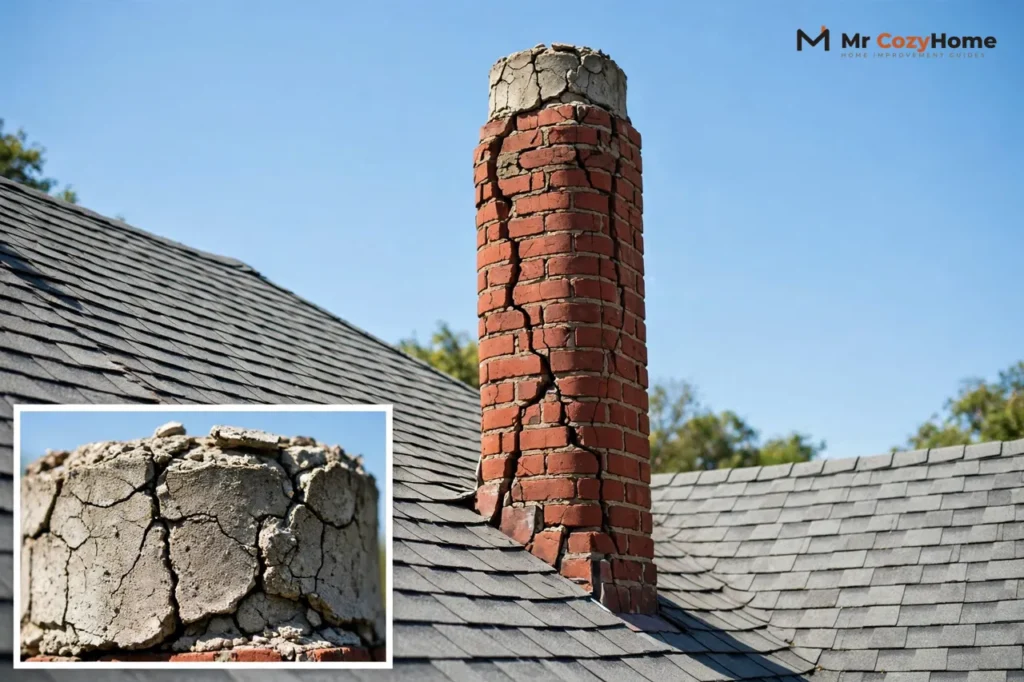
A cracked chimney is not just a cosmetic problem. A crack in your chimney can let water into your home, let heat reach the wood frame of your house, and let carbon monoxide leak into the rooms where your family sleeps. The good news is that most cracks are cheap to fix when you catch them early, and a simple ground-level check can tell you how urgent yours is.
In this guide, you will learn what each type of crack means, why chimneys crack, how to spot the danger signs, what each repair costs in the US, and when to stop using your fireplace and call a pro. The one rule to remember is simple: never light a fire in a fireplace with a cracked flue liner until a pro has checked it.
What a Cracked Chimney Really Means
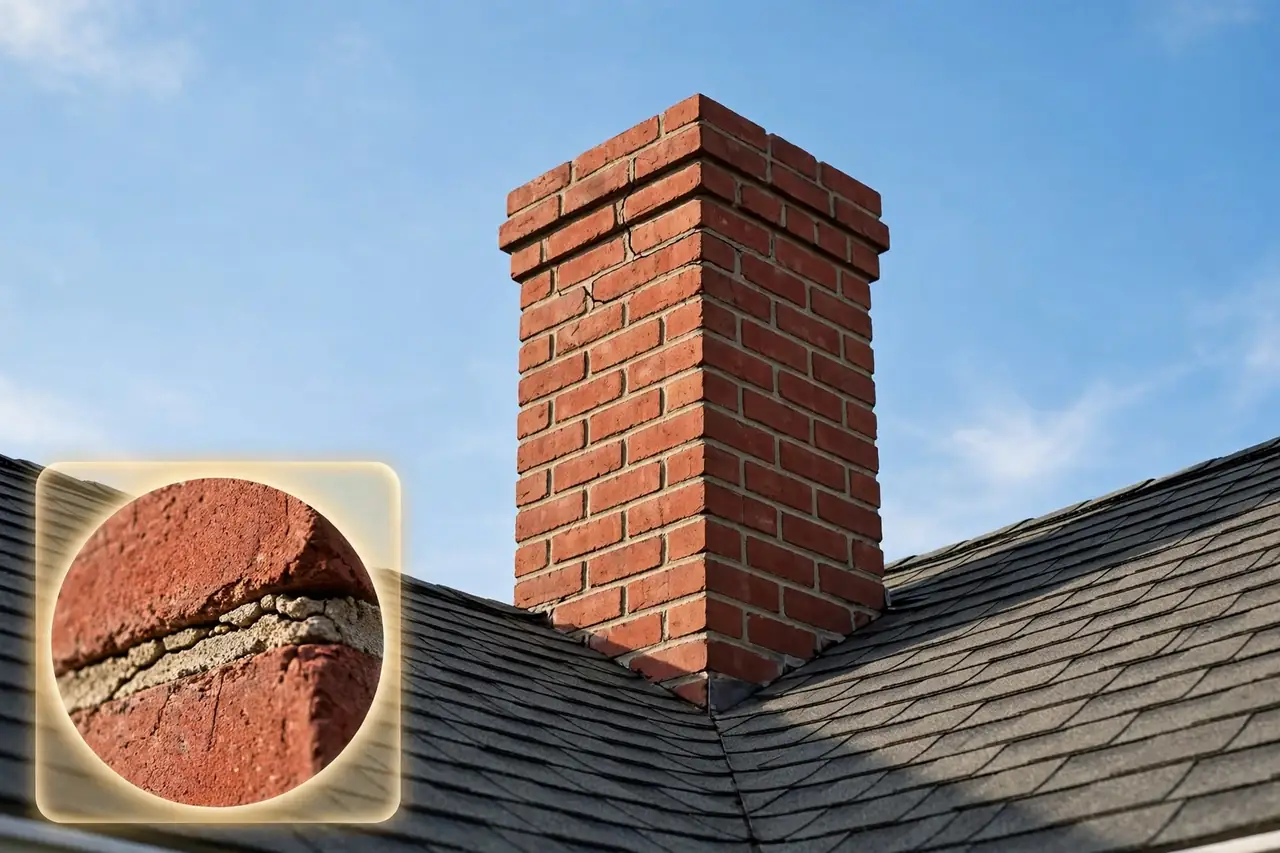
A chimney is a tall stack of brick, mortar, and a flue liner that carries smoke and gas safely out of your home. A crack is a break in any of those parts. Some cracks sit only in the surface mortar. Others run through the bricks or the flue liner inside. Where the crack sits matters far more than how it looks from the street.
Think of your chimney in three layers. The outside is brick and mortar. The top is a concrete crown that sheds rain. The inside is the flue liner, a smooth channel that carries hot gas up and away. A crack in the outside layer lets water in. A crack in the liner lets heat and gas out into your house. That is why the same word, “crack,” can mean a $200 patch or a $5,000 reline.
Most cracks start small. Water gets into a tiny gap, freezes in winter, and expands. Each freeze makes the gap a little wider. Over a few winters, a hairline crack can turn into a leaning chimney. That slow damage is why a yearly look at your chimney matters so much.
Why Chimneys Crack: The 6 Main Causes
Chimneys live a hard life. They face rain, snow, heat, and cold every day of the year. Here are the six causes behind most cracks.
1. Freeze and thaw cycles
Water soaks into brick and mortar. When the temperature drops, that water freezes and grows. The ice pushes the masonry apart from the inside. This is the top cause of chimney cracks in cold parts of the US, and it gets worse every winter the crack is left open.
2. A flat or damaged crown
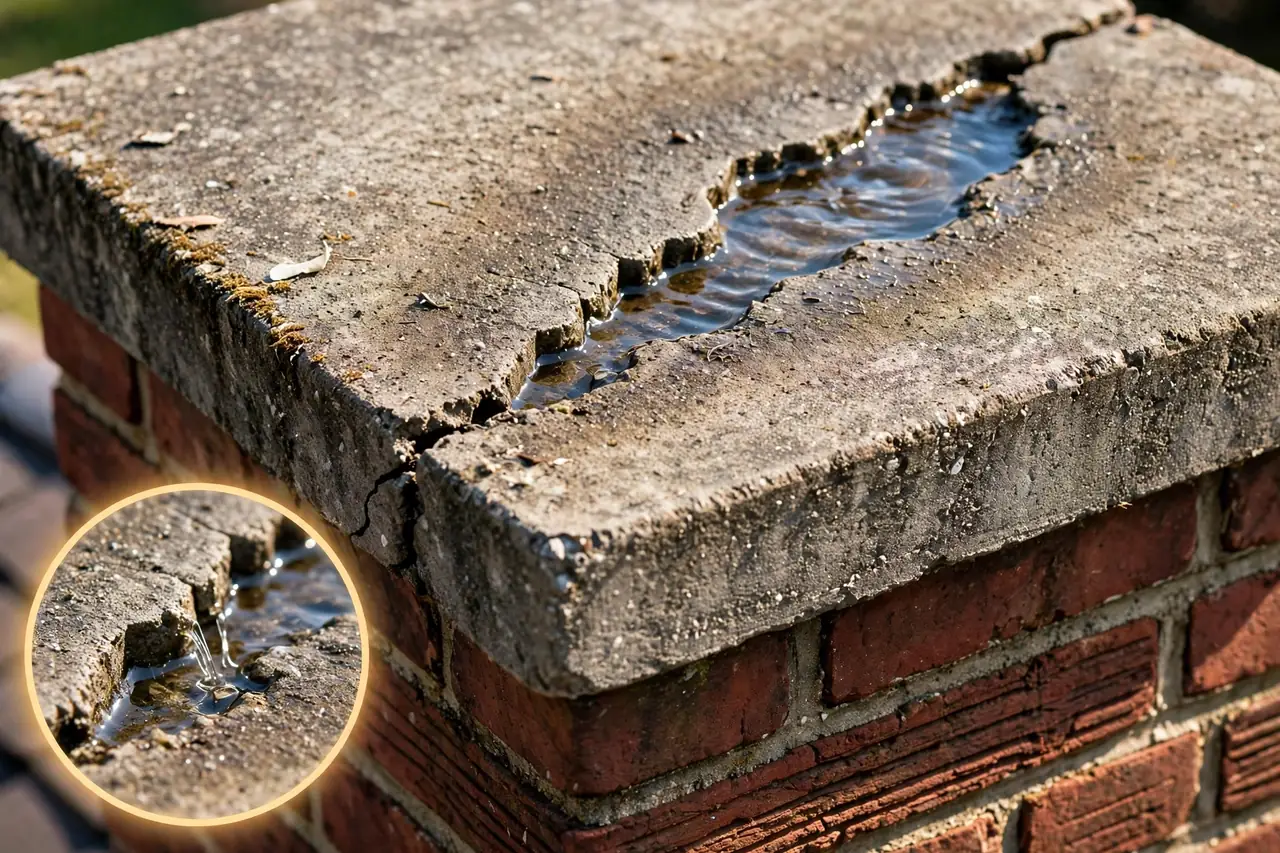
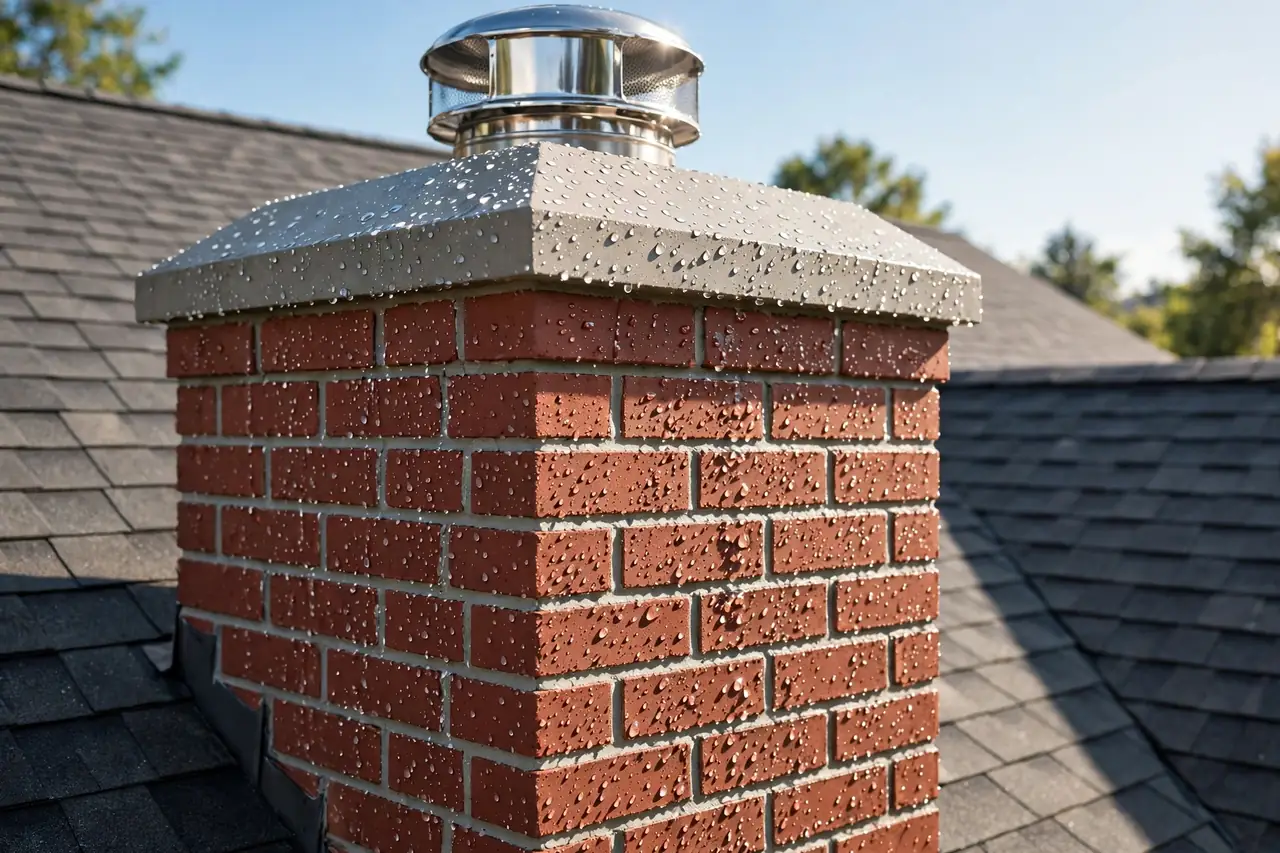
The crown is the concrete cap on top of your chimney. It should slope so rain runs off, with a drip edge that throws water clear of the bricks. A flat crown, or one with no drip edge, lets water pool and run down the face of the chimney. A cracked crown is the most common source of chimney water damage, so a small crown crack can cause big trouble below.
3. Heat stress from fires
A wood fire can send very hot gas up the flue. Over years of heating and cooling, clay flue tiles can crack. A chimney fire, even a small one you never noticed, can crack tiles and mortar in a single night.
4. Age and worn mortar
Mortar is softer than brick by design, so it wears out first. On an older chimney, the mortar joints dry out, shrink, and crack. A well-built brick chimney can last 100 years or more, but its mortar needs care along the way.
5. Foundation and soil movement
Chimneys are heavy, and they sit on their own footing. If the soil under that footing shifts or settles, the chimney can pull away from the house or lean. Cracks that run in a stair-step pattern through the bricks often point to movement below.
6. Moisture from gas appliances
Gas exhaust is cooler and wetter than wood smoke. When a gas furnace or fireplace vents through an old clay liner, the moisture can condense and eat away at the liner from the inside. This is a common cause of cracked liners in homes that switched to gas heat.
Water is the enemy behind most chimney cracks, so keeping rain out is the best prevention you will find.
The 4 Places Cracks Show Up
Not all chimney cracks are the same. Where the crack sits tells you what is at risk and what the fix looks like.
Cracks in the crown
Crown cracks run across the concrete cap at the very top. Rain falls straight into them and soaks the masonry below. Left alone, a crown crack leads to stained ceilings, damp walls, and crumbling mortar. A pro can seal a small crown crack, or recast the whole crown if the damage is wide. If your cap or crown is the problem, read our guide to chimney cap repair to see the smaller fix that often goes with it.
Cracks in bricks and mortar
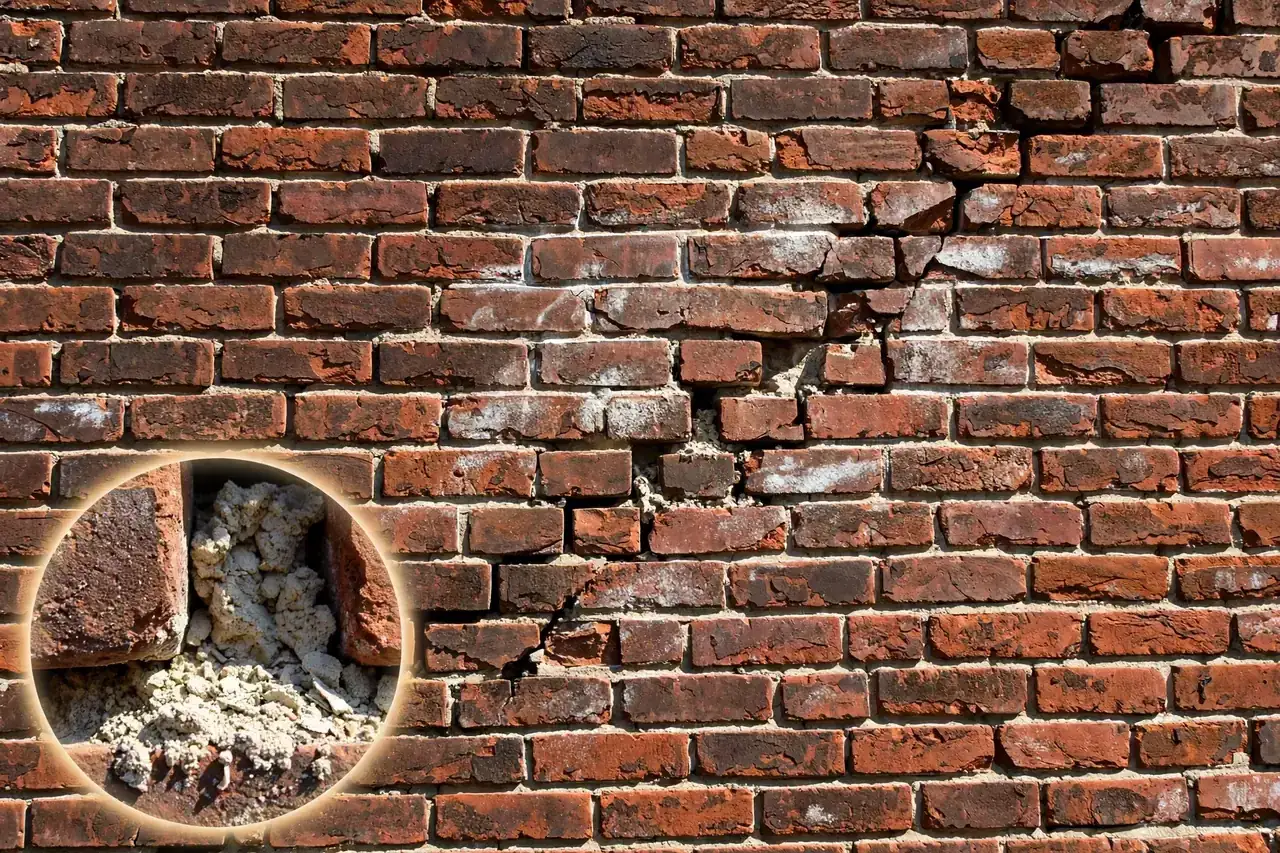
These are the cracks you can see from the ground. Hairline cracks in the mortar joints, less than about 1/8 inch wide, are usually surface damage and can be repointed. Cracks that run through the bricks themselves, bricks with flaking faces (called spalling), or bricks that feel loose are more serious. A chimney that leans, even a little, needs a pro right away. For the full fix on worn joints, see how to repair a fireplace, which covers cracks and mortar work around the firebox too.
Cracks in the flue liner
The flue liner is the most safety-critical part of your chimney. You cannot see it from the ground, and a flashlight from the firebox will not show the full picture. A cracked liner lets heat reach the wood framing of your home and lets carbon monoxide slip into living space. Only a camera scan can confirm liner damage. A cracked flue liner is the one crack you should never ignore or patch yourself.
Cracks in the firebox and smoke chamber
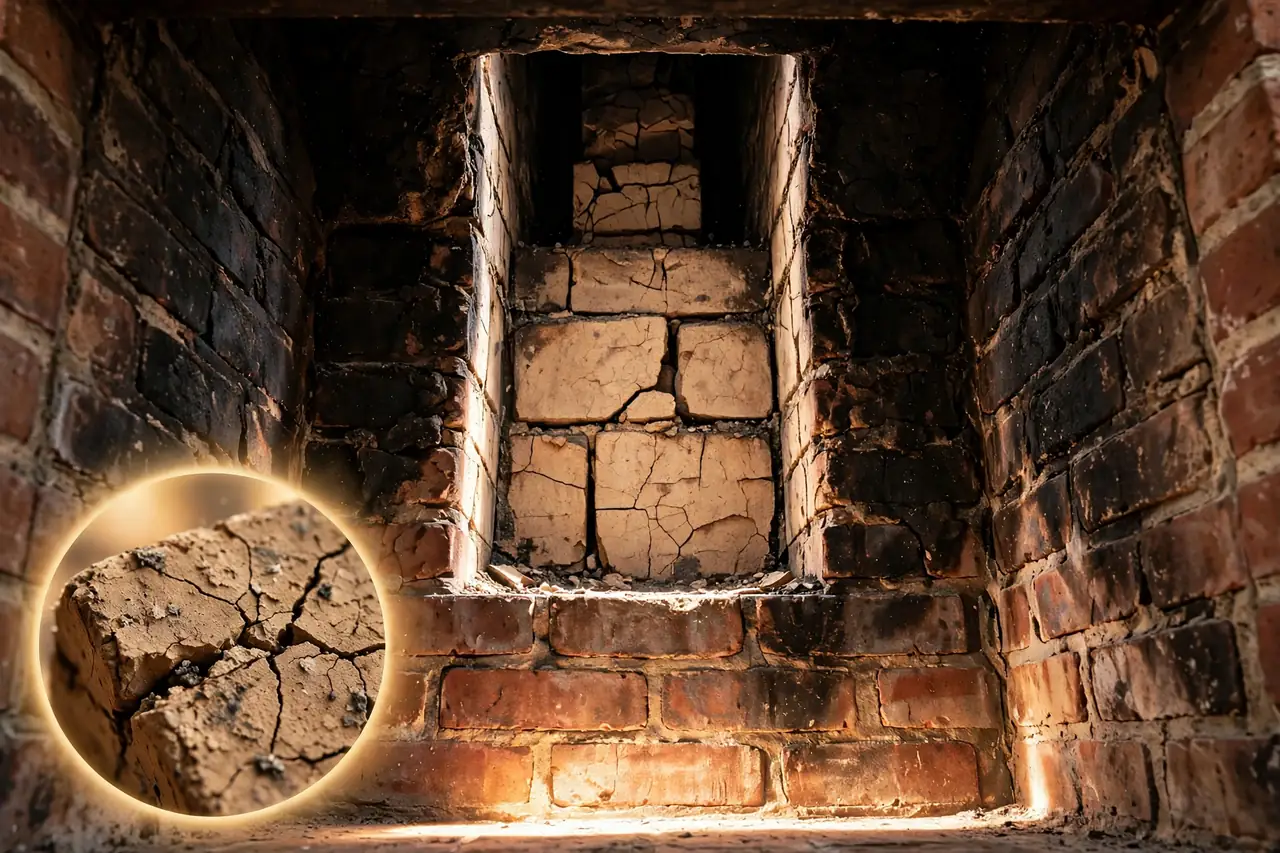
The firebox is where the fire burns, and the smoke chamber sits just above it, guiding smoke into the flue. Cracks here let heat and smoke escape into the walls around the fireplace. If you see cracked firebrick, gaps in the mortar inside the firebox, or pieces of tile lying in the firebox, stop using the fireplace and book an inspection.
Is a Cracked Chimney Dangerous?
Yes, a cracked chimney can be dangerous, but how dangerous depends on where the crack is and how bad it is. A thin crack in the outside mortar is a repair you can plan. A crack in the flue liner, a leaning chimney, or loose bricks is a safety matter right now.
Here are the three real risks. First, fire: heat can escape through a cracked liner and reach wood framing, and creosote buildup adds fuel. Second, carbon monoxide: this gas has no color and no smell, and it can leak into your home through liner cracks. Third, water and collapse: water widens cracks year after year, and in severe cases a chimney can lean and fall, dropping bricks onto the roof or the ground below.
Stop using your fireplace and call a pro at once if you notice any of these signs:
- Smoke, soot, or a strange smell coming into the room when you light a fire
- Pieces of flue tile or broken brick in the firebox
- Bricks that move when you touch them, or a chimney that leans
- Water stains on the ceiling or wall near the fireplace
- White, salty stains (efflorescence) spreading across the bricks
- Rust on the damper or inside the firebox
- Your carbon monoxide alarm going off — get fresh air first, then call for help
If your alarm sounds, leave the house and call emergency services before you worry about the chimney. Our guide on what to do if your carbon monoxide alarm goes off walks through each step, and our best carbon monoxide detector picks can help you make sure your home has working protection.
How to Check Your Chimney Safely
You can learn a lot without ever climbing a ladder. Do this check from the ground, twice a year — once before the heating season and once after winter.
- Stand back and look at the whole chimney. Is it straight, or does it lean? Does it pull away from the house?
- Use binoculars to look at the crown and the top courses of brick. Look for cracks, missing mortar, and flaking brick faces.
- Look for white stains on the brick. That salty crust means water is moving through the masonry.
- Check the flashing where the chimney meets the roof. Look for gaps, rust, or lifted metal.
- Look inside the firebox with a flashlight. Check for cracked firebrick, gaps in the mortar, and bits of tile on the floor.
- Sniff for damp or smoky smells near the fireplace, and look for water stains on the wall or ceiling nearby.
- Write down what you see, with the date. A photo each year makes it easy to tell if a crack is growing.
Do not climb on the roof to inspect a chimney. Roof work at height is a real fall risk, and a pro has the gear and the camera to see inside the flue. What you cannot see from the ground is exactly what a chimney sweep and inspection is for — book one every year, and ask for a Level 2 camera scan if you have any symptoms at all.
What a Professional Inspection Covers
The Chimney Safety Institute of America (CSIA) follows the National Fire Protection Association standard NFPA 211, which says chimneys, fireplaces, and vents “shall be inspected at least once a year for soundness, freedom from deposits, and correct clearances.” The CSIA homeowner resources page explains this rule and what each inspection level covers.
There are three inspection levels. A Level 1 inspection is the standard yearly visual check of the parts a sweep can reach. A Level 2 inspection adds a video camera scan of the flue interior, plus a look at accessible attic and basement areas — this is the one to ask for when you buy a home, after a chimney fire, or when you already see cracks. A Level 3 inspection is invasive and is only used when a serious hidden problem cannot be checked any other way.
A basic inspection usually costs $150 to $300, and a Level 2 camera inspection can run $200 to $600. That sounds like a lot for a look, but it is small next to the cost of a repair you guess wrong. The camera scan is the only way to know if your flue liner is cracked.
Repair Options and What They Cost
Costs below are typical US ranges reported in 2026 trade guides, checked November 13, 2026. Your real quote will depend on your chimney’s height, your roof, and your area. Always get two written quotes from CSIA-certified pros before a big job.
| Repair | What it fixes | Typical cost |
|---|---|---|
| Crown seal or patch | Small crown cracks | $200–$500 |
| Crown repair or recast | Wide or crumbling crown | $300–$1,500 |
| Tuckpointing | Worn or cracked mortar joints | $200–$2,500 |
| Flashing repair | Leaks at the roof joint | $200–$500 |
| Flue tile repair | A few cracked tiles | $200–$1,200 |
| Full chimney reline | Cracked or failed liner | $900–$7,000 |
| Partial rebuild | Bad damage above the roof | $3,000–$10,000 |
| Full rebuild | Severe structural failure | $10,000–$30,000+ |
A small fix done early is the cheapest repair you will ever buy. A $200 crown seal today can save you a $5,000 reline later, because water that gets in through the crown attacks everything below it. For a deeper look at what a full reline involves, see the cost breakdown in the HomeServe chimney repair cost guide, and for the fire and gas risks of a damaged liner, read the dangers of a cracked chimney flue.
What You Can Fix Yourself — and What Needs a Pro
Some chimney jobs are fine for a careful homeowner. Others are not, and the line between them is about height and heat.
Safe DIY jobs
You can do these from the ground or from inside the house. Clean the firebox and check the damper. Seal a small, easy-to-reach mortar crack on a low chimney with a masonry crack filler made for exterior use. Paint on a breathable masonry water repellent after repairs are done. Keep the area around the fireplace clean, and test your smoke and carbon monoxide alarms every month.
Jobs for a pro only
Leave these to a CSIA-certified chimney sweep or mason. Any work on the roof or the crown. Any repair inside the flue or liner. Tuckpointing high up the stack. Rebuilding any part of the chimney. Anything where bricks are loose, the chimney leans, or you smell gas or smoke indoors. If the job needs a ladder, a roof, or a look inside the flue, it is a pro job.
When you hire, ask three questions: Are you CSIA-certified? Will you do a camera scan? Will you give me photos and a written quote? A good pro will say yes to all three. If your chimney top needs parts as well as repair, our guides to chimney toppers and chimney cap replacement explain the covers that keep rain and animals out once the masonry is fixed.
How to Keep Cracks From Coming Back
Fixing a crack is only half the job. Keeping water out is what stops the next one.
- Get a yearly inspection and sweep. The CSIA recommends sweeping when soot buildup reaches 1/8 inch.
- Fit a good chimney cap. A cap keeps rain, snow, and animals out of the flue.
- Keep the crown sealed and sloped, with a drip edge that throws water clear of the brick.
- Apply a breathable water repellent to the masonry every few years, so water beads off instead of soaking in.
- Fix flashing gaps at the roofline fast — that joint is a top leak point.
- Burn only dry, seasoned wood. Wet wood makes more creosote and cooler, wetter smoke.
- Keep up with the rest of the fireplace too. Regular gas fireplace upkeep and a clean firebox — see how to clean a brick fireplace — help you spot new cracks early.
- Before winter, run through your home winterization checklist so the chimney is checked before the first freeze, not after it.
Think of it like dental care. A small filling now beats a root canal later. A yearly check and a sealed crown cost little, and they keep a small crack from turning into a rebuild.
Safety Disclaimer
This guide is general home advice, not a substitute for a professional inspection. Chimney cracks can involve real risks: house fire from heat escaping a damaged flue, carbon monoxide poisoning from gas leaking into living space, water damage to your roof and walls, and, in severe cases, bricks falling or a chimney collapsing. Never use a fireplace with a cracked or damaged flue liner, a leaning chimney, or loose bricks. Never climb on a steep roof to inspect or repair a chimney yourself. If you smell gas, if your carbon monoxide alarm sounds, or if you see smoke coming into the room, leave the house and call emergency services. When in doubt, book a CSIA-certified chimney sweep and let a trained pro decide if your chimney is safe to use.
Related Guides
Keep learning about your chimney and fireplace with these guides from MrCozyHome:
- Chimney Cap Repair: Fix Rust and Leaks for $100–$250 Before They Cost $1,000
- Chimney Cap Replacement: Stop Rain and Animals for About $300
- Chimney Topper: The $60 Cover That Saves You Thousands in Water Damage
- Chimney Sweep Cost: What You’ll Pay in 2026 — and How to Book It Cheaper
- Repair Fireplace: Fix Cracks, Pilot Lights, and Smoke
- Fireplace Renovation Ideas: 12 Makeovers From a $50 Paint Job to a Full Remodel
- Average Fireplace Size: 36×30 Inches — and How to Tell If Yours Fits Your Room
- Best Carbon Monoxide Detector: 7 Picks That Keep Your Family Safe in 2026
Frequently Asked Questions
Is a cracked chimney dangerous?
It can be. A thin crack in outside mortar is usually a planned repair, but a cracked flue liner, a leaning chimney, or loose bricks is a safety matter. Liner cracks can let heat reach wood framing and let carbon monoxide leak indoors, so stop using the fireplace and get a pro inspection.
Can I use my fireplace if my chimney is cracked?
No, not until a pro has checked it. A crack you can see outside may hide a cracked liner inside, and using the fire can push heat and gas into your home. Keep the fire unlit and book a Level 2 camera inspection before you burn again.
How much does it cost to repair a cracked chimney?
Small repairs run $200 to $500 for a crown seal or flashing fix, and $200 to $2,500 for tuckpointing. A full reline for a cracked liner runs $900 to $7,000, and a rebuild can cost $3,000 to $30,000 or more. Get two written quotes before any big job.
What causes a chimney to crack?
The top causes are freeze-thaw cycles, a flat or damaged crown that lets water pool, heat stress from fires, worn mortar with age, soil movement under the chimney footing, and moisture from gas appliances attacking old clay liners. Water is behind most of these causes.
Can a cracked chimney flue be repaired?
Yes, in many cases. A few cracked tiles can be resurfaced or replaced, and a badly damaged liner can be relined with a stainless steel liner. But a cracked liner is never a DIY patch job — a pro must camera-scan the flue first and choose the repair that fits your chimney and fuel type.
How do I know if my chimney liner is cracked?
You often cannot tell from the ground. Warning signs include smoke or odd smells indoors, pieces of tile in the firebox, and poor draft. Only a Level 2 inspection with a video camera scan can confirm liner cracks, which is why pros recommend one when any symptom shows up.


