
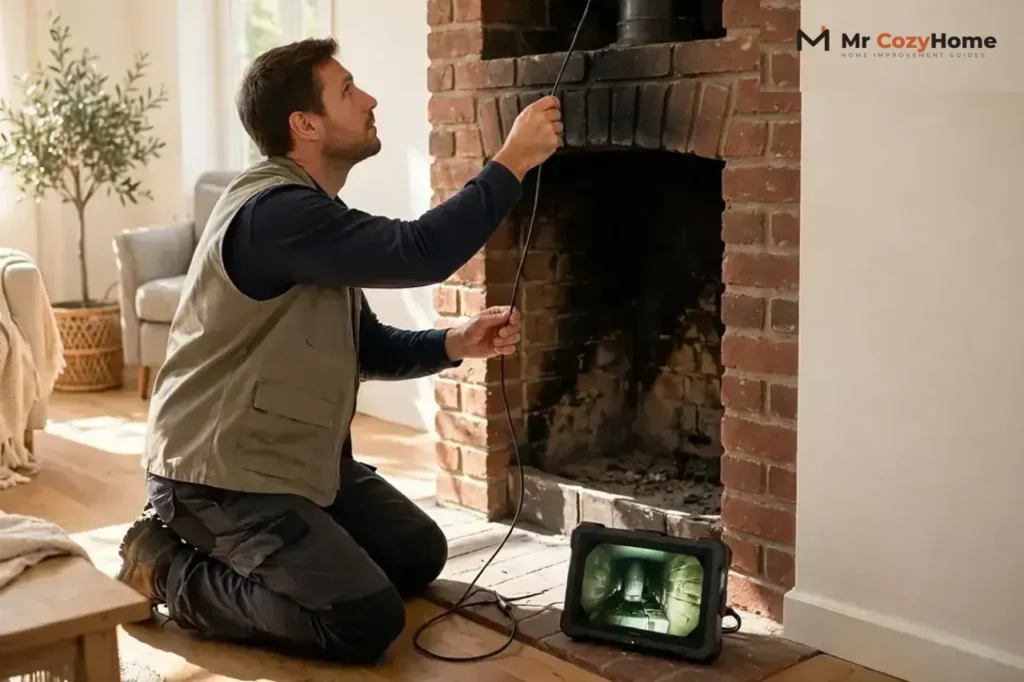
A fireplace inspection is a trained check of your whole fireplace and chimney system, from the firebox in your living room to the cap on your roof. It looks for cracks, blockages, creosote buildup, and venting problems before they turn into a fire or a carbon monoxide leak.
The short answer is simple: every fireplace and chimney needs a check at least once a year, even if you barely use it. The national standard, NFPA 211, says chimneys, fireplaces, and vents shall be inspected at least once a year. A yearly fireplace inspection is the cheapest way to know your fireplace is safe to light.
This guide explains what an inspection covers, the three levels, how often you need one, what it costs, and how to pick a good inspector.
What Is a Fireplace Inspection?
A fireplace inspection is a safety check of the full system that carries smoke and hot gas out of your home. It covers the firebox, the damper, the flue, the chimney liner, and the outside of the chimney.
An inspector looks for damage you cannot see from your couch. Cracks in the liner, a blocked flue, and heavy creosote all hide inside the chimney. The inspector writes down what they find and tells you what to fix first.
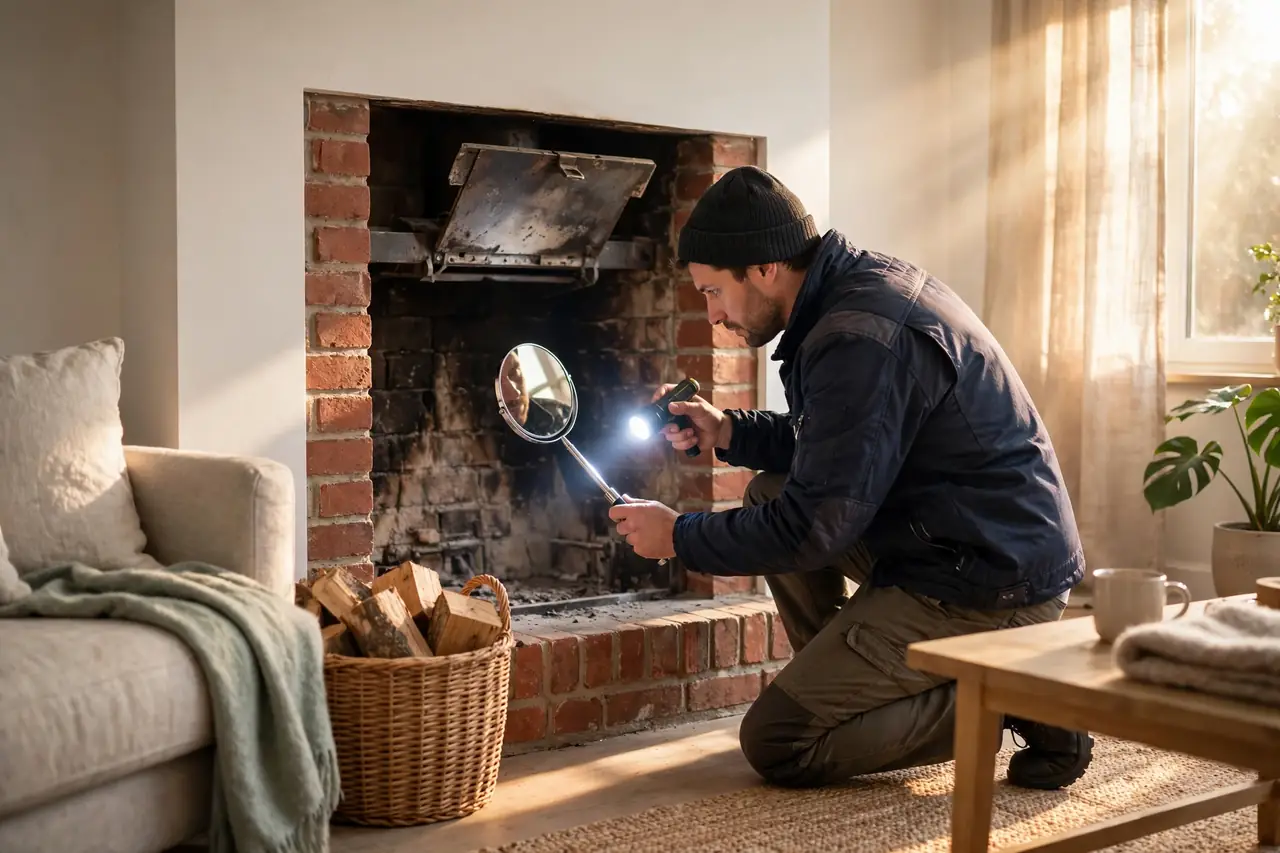
An inspection is not the same as a sweep. A sweep cleans soot and creosote out of the flue. An inspection checks whether the system is safe. Many visits include both, and our guide to chimney sweep costs explains how the two jobs are often priced together.
Think of it like a car checkup. You do not wait for smoke under the hood. You check the system on a schedule, fix small problems early, and drive with peace of mind.
Why a Fireplace Inspection Matters
Two risks make this check worth your time. The first is a chimney fire. Creosote is a sticky, flammable layer that builds up inside the flue when wood burns. A thick layer can catch fire, and that fire can crack the liner and spread to the house.
The second risk is carbon monoxide. This gas has no color and no smell. A blocked or cracked flue can let it leak back into your home instead of carrying it outside. The U.S. Environmental Protection Agency lists leaky chimneys and backdrafting fireplaces among indoor sources of carbon monoxide, and the Chimney Safety Institute of America (CSIA) recommends an annual check by a certified sweep.
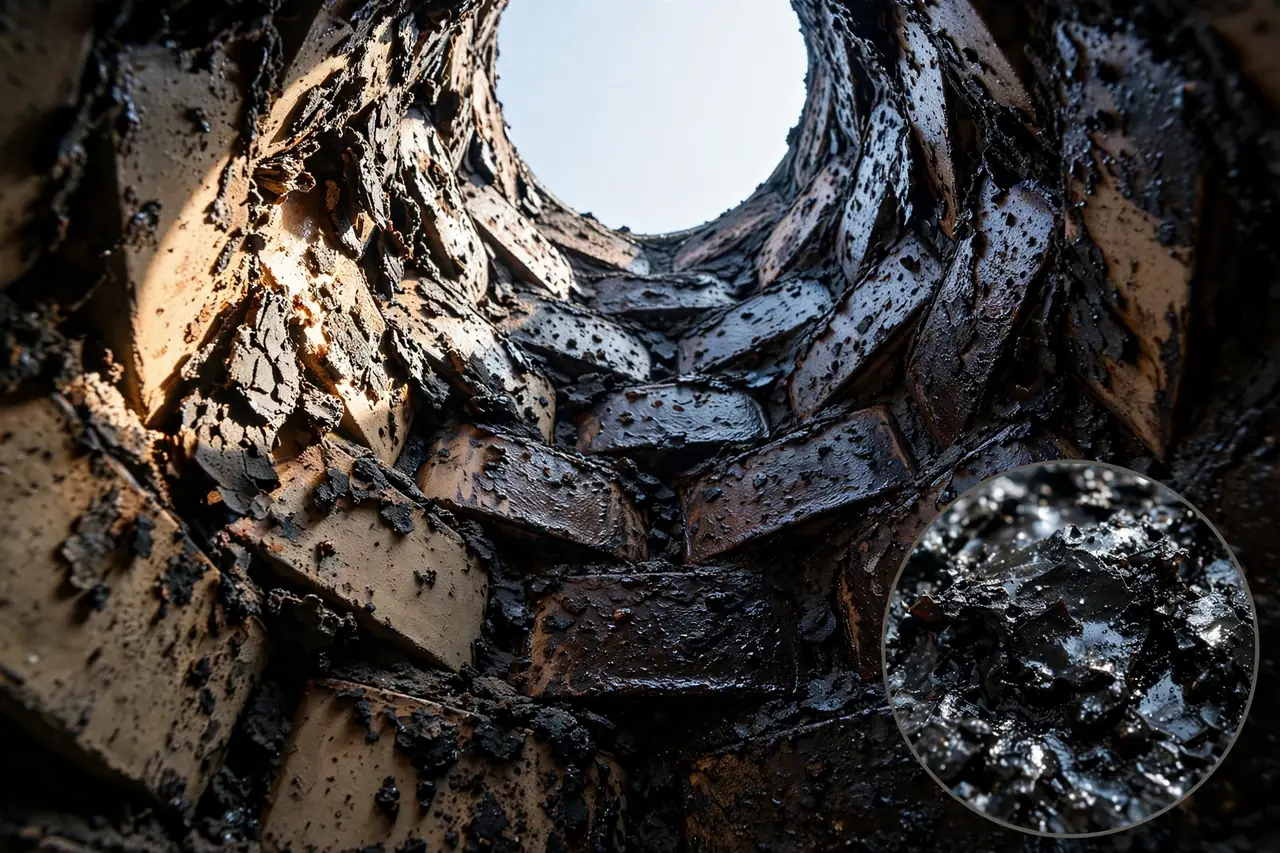
A good detector adds a second layer of safety. Read our guide to the best carbon monoxide detector for your home, and know what to do if your carbon monoxide alarm goes off. But a detector is a warning, not a fix. The inspection is what finds the problem before the alarm ever sounds.
Inspections also protect your wallet. A cracked crown or a missing cap lets water in. Water breaks down mortar, rusts the damper, and stains walls. Catching that early often means a small repair instead of a rebuild.
The 3 Levels of Chimney Inspection
The National Fire Protection Association sets the standard in NFPA 211. It defines three inspection levels. Each level builds on the one before it, so a Level 2 includes everything in a Level 1, and a Level 3 includes everything in a Level 2.
Your situation decides the level, not the age of your house. A home you have lived in for years with no changes needs a different check than a home you just bought.
Level 1: The Routine Annual Check
A Level 1 inspection is the basic yearly check. It fits a chimney that is used the same way as before, with the same appliance and the same fuel, and no known problems.
The inspector looks at the readily accessible parts of the chimney, inside and out. That means the firebox, the damper, the visible flue, the crown, the cap, and the flashing. They check that the flue is free of blockages and combustible deposits.
No tools or cameras are needed. A Level 1 check takes about 30 to 60 minutes. It is the minimum every home should get each year.
Level 2: The Camera Check
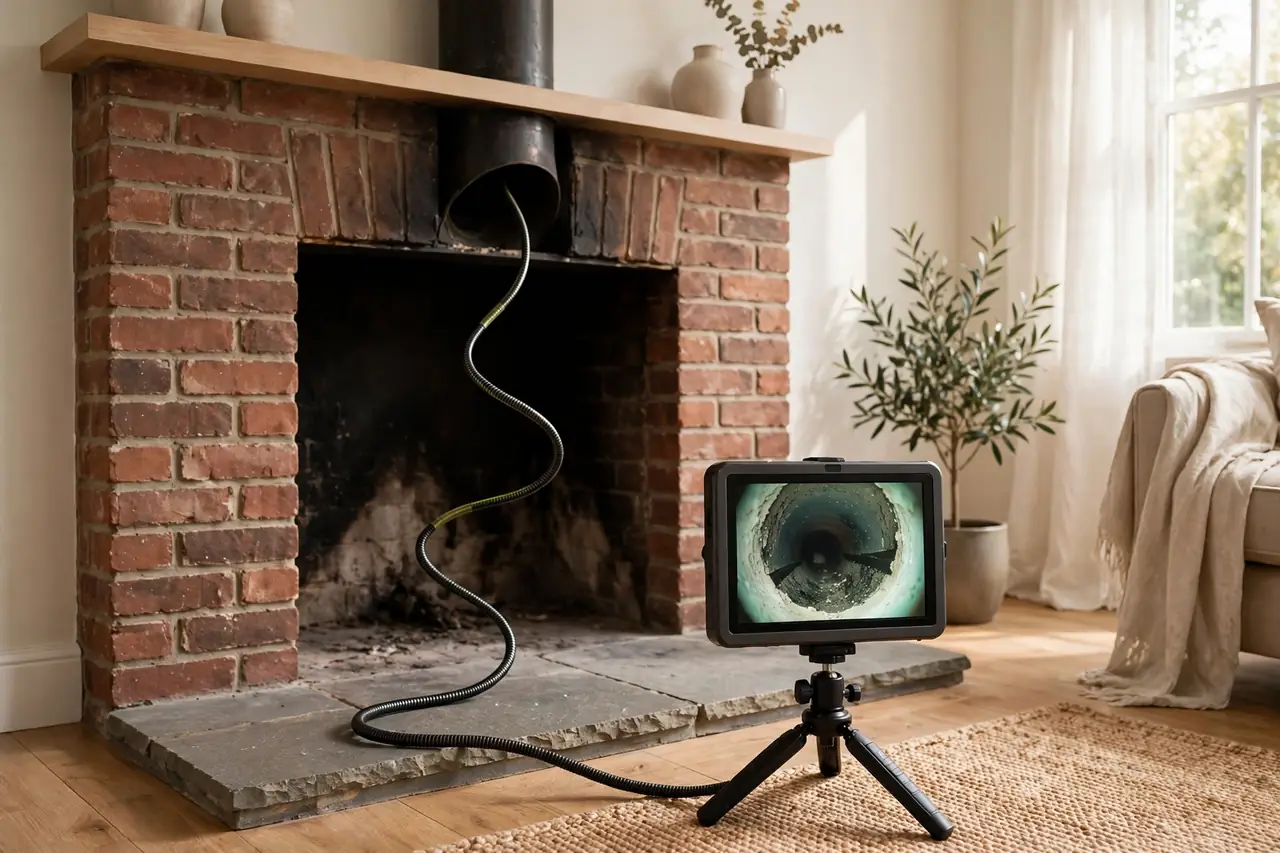
A level two chimney inspection adds a video scan of the flue. The inspector runs a small camera up the full length of the flue and watches the liner on a screen. This is the only way to see cracks, gaps, and damage hidden inside the chimney.
A Level 2 also covers the accessible parts of the chimney in the attic, crawl space, and basement. The inspector checks clearances from combustible materials and confirms the flue is the right size for the appliance connected to it. If you are unsure how firebox size and flue size relate, our guide to average fireplace size gives you the basics.
You need a Level 2 inspection when you buy or sell a home, when you change the fuel or the appliance, after a chimney fire, or after storm damage. A fireplace renovation that swaps the appliance also calls for one. A Level 2 takes about one to two hours.
Level 3: The Deep Investigation
A Level 3 inspection is rare. It is used only when a Level 1 or Level 2 points to a hidden problem that cannot be judged without opening things up.
The inspector may remove parts of a wall, the chimney crown, or sections of masonry to reach the concealed area. Only the smallest opening needed is made. This level can take several hours or more than one day.
You will not need a Level 3 for a healthy chimney. It is a problem-solving tool for a serious, suspected hazard.
| Level | When you need it | What it adds | Typical time |
|---|---|---|---|
| Level 1 | Yearly check, no changes | Visual check of accessible parts | 30 to 60 minutes |
| Level 2 | Home sale, fuel or appliance change, after a fire or storm | Camera scan of the flue, plus attic, crawl space, and basement | 1 to 2 hours |
| Level 3 | Hidden hazard a camera cannot fully judge | Opens concealed areas to inspect them | Several hours or more |
What Inspectors Check, Step by Step
A good inspection follows the same path every time, from the firebox to the roof. Here is what happens at each stop.
The Firebox and Damper
The inspector starts in the firebox. They look for cracked firebrick, worn mortar, and heat damage. Then they test the damper. It must open fully before a fire and close tight when the fire is out.
A damper stuck shut sends smoke into your room. A damper that will not close wastes heat all winter. If the brick looks dull and stained, a gentle clean helps the inspector see the real condition. See how to clean a brick fireplace before your visit if the firebox is very sooty.
The Flue and Chimney Liner
The flue is the passage smoke travels through. The liner is the smooth inner wall of that passage. Together, they keep heat and gas away from the wood frame of your house.
A chimney liner inspection looks for cracked clay tiles, gaps in mortar joints, rust on metal liners, and creosote buildup. In a Level 2 visit, the camera shows every joint and tile. Cracks matter because heat and gas can escape through them into the walls.
The Crown, Cap, and Exterior
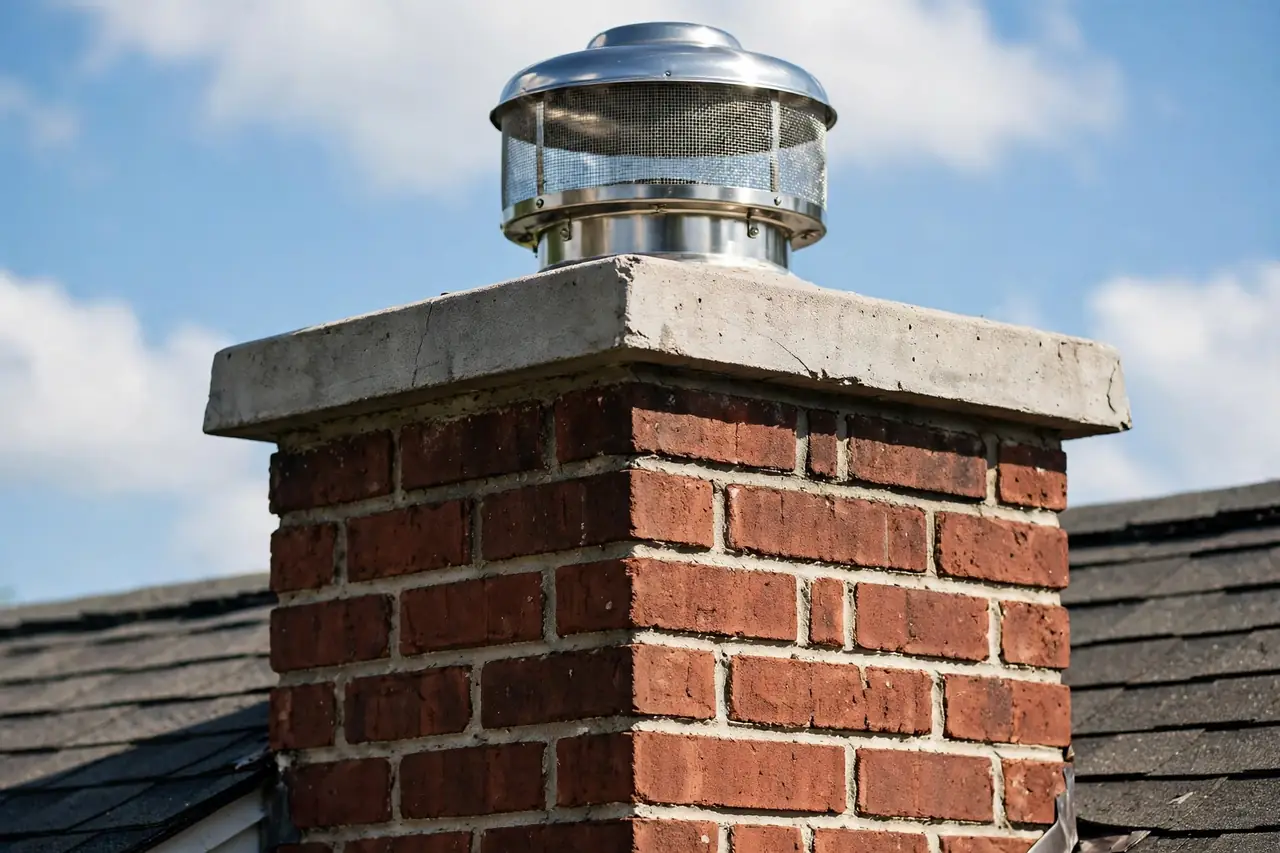
On the outside, the inspector checks the crown, the cap, the flashing, and the masonry. The crown is the concrete slab on top that sheds water away from the bricks. The cap is the metal cover that keeps rain, leaves, and animals out of the flue.
A cracked crown or a missing cap lets water in, and water is the slow enemy of every chimney. Small cap damage is often a quick fix. Read our guides to chimney cap repair and chimney cap replacement to know which one fits, and learn what a chimney topper does if your chimney has no cap at all.
Draft and Venting
Draft is the pull that carries smoke up and out. The inspector checks that smoke rises well and does not spill back into the room. Poor draft can mean a blockage, a flue that is too small, or a house pressure problem.
They also look for nests, leaves, and debris. Birds and squirrels love an open flue. A nest can block the vent in a single season, so even a chimney that sat unused all summer needs a look before the first fire.
Every step of the check has one goal: prove the system can carry heat and gas safely out of your home.
How Often Should You Get a Fireplace Inspection?
The rule is once a year, at minimum. The Chimney Safety Institute of America follows NFPA 211, which calls for an inspection at least once a year, with cleaning and repairs done when needed. That rule covers wood, gas, and oil systems alike.
Use does not change the rule much. A gas fireplace makes little creosote, but a nest or debris can still block its vent. A wood fireplace used every night builds creosote fast. Both need the yearly look.
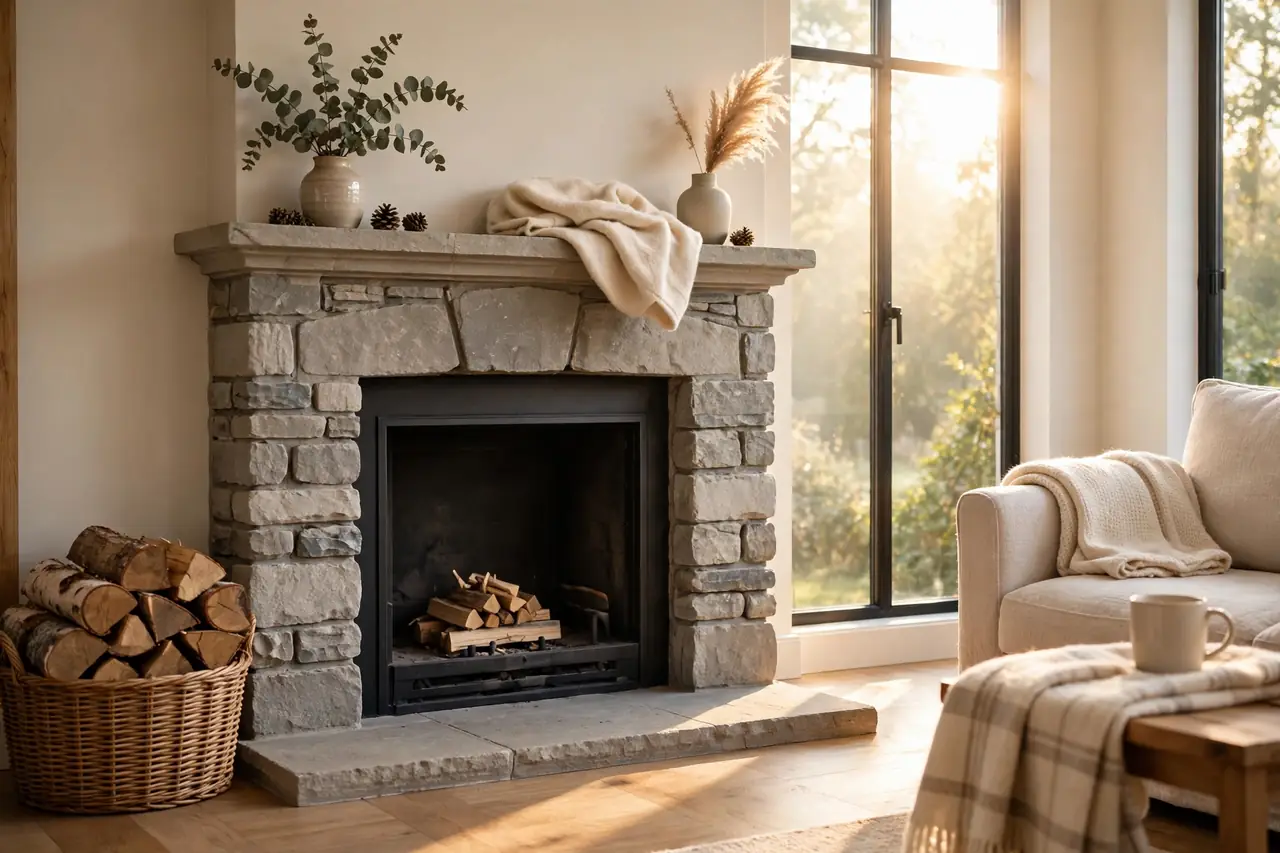
Book your visit in late summer or early fall, before the first cold snap. Inspectors get busy in October, and you want time to fix anything they find before you need the fire.
| Your setup | Inspection | Cleaning |
|---|---|---|
| Wood fireplace, regular use | Every year | About once a year |
| Wood fireplace, occasional use | Every year | When buildup reaches 1/8 inch |
| Gas fireplace | Every year | Rarely; inspection checks venting and blockages |
| Any fireplace after a chimney fire or storm | Level 2, right away | As the inspector advises |
Gas owners, take note: your system still needs a yearly visit. Our gas fireplace upkeep guide walks through what that visit should cover for a gas unit. And if you use your fireplace only a few times a year, the yearly check still stands, because animals, water, and rust do not care how often you light a fire.
How to Choose a Certified Inspector
The person matters as much as the check. A certified inspector is trained to the NFPA 211 standard and knows what a hidden crack looks like on camera. Start with the Chimney Safety Institute of America. Its directory lists CSIA Certified Chimney Sweeps by ZIP code, and certification must be renewed every three years.
Ask these questions before you book:
- Are you CSIA certified, and can I check your credential?
- Which inspection level do I need, and why?
- Does the visit include a video scan of the flue?
- Will I get a written report with photos or video?
- Is cleaning included, or priced apart from the inspection?
Get the price in writing before the visit starts. Ask what happens if the inspector finds a problem: do they give a written repair quote, and is there any pressure to approve work on the spot? A good pro explains the findings, shows you the camera video, and lets you decide.
Skip any company that will not name its certification, will not put the price in writing, or pushes a big repair before showing you proof. A real report with photos beats a verbal promise every time.
What Happens If the Inspector Finds a Problem?
Most findings are small. A worn damper, a cracked crown, or a missing cap can often be fixed in one visit. The inspector should rank the findings so you know what is urgent and what can wait.
Some findings stop you from using the fireplace until they are fixed. A cracked liner, heavy glazed creosote, or a blocked flue are in that group. Do not light a fire until the repair is done. The risk is not worth one cozy evening.
After a chimney fire, the rules are stricter. The CSIA explains what to do after a chimney fire, starting with a professional evaluation before you use the chimney again. A Level 2 inspection is the minimum after a fire, and a Level 3 may follow if hidden damage is suspected.
For repair planning, start with our guide to fireplace repair. It covers the common fixes, what they involve, and how to talk to a contractor about them. If the work is large, get a second quote and ask both pros to show their findings in writing.
Keep the report and any photos. They prove the condition of the chimney if you sell the home, file an insurance claim, or need to show a repair was done.
How Much Does a Fireplace Inspection Cost?
Prices vary by area, chimney size, and the number of flues, so treat these as typical ranges, not quotes. A Level 1 inspection usually runs about $80 to $250. A Level 2 inspection with a camera scan usually runs about $150 to $500. A Level 3 inspection usually starts around $1,000 and can reach $5,000 or more, because it involves opening up the structure.
Many companies bundle the sweep with the inspection for one price. Ask what the quote covers before you book: the level, the camera scan, the written report, and the sweep. A clear quote beats a low price that leaves out the camera.
A Level 2 is the best money most buyers spend. It costs a few hundred dollars and can reveal a liner problem that would cost thousands to fix. For a full breakdown of cleaning prices, see our guide to chimney sweep costs.
How to Get Ready for Inspection Day
A little prep makes the visit faster and the findings better. Follow these steps:
- Do not light a fire for at least 24 hours before the visit, so the firebox and flue are cool.
- Clear the hearth. Move the screen, tools, logs, and decor away from the fireplace.
- Clear a path to the attic and basement if the inspector needs to see the chimney there.
- Keep pets in another room so the inspector can move freely.
- Have your last inspection report or repair receipts ready, if you have them.
- Stay home for the visit, and ask to see the camera video with the inspector.
Ask questions while the inspector is there. A good pro will show you the problem on the screen and explain it in plain words. That is your best chance to learn what your chimney needs.
Safety First: A Quick Note Before You Light a Fire
Never light a fire in a fireplace that has not been inspected in the past year, or in one where the inspector found a problem you have not fixed yet. Open the damper fully before you light the fire, and check with a flashlight that it is open. Burn only well-seasoned wood, and never burn trash, wrapping paper, or treated wood.
Keep a working carbon monoxide alarm near the sleeping areas and a smoke alarm on every level. Test both monthly. If an alarm sounds, get fresh air at once and call for help from outside the home.
Safety disclaimer: this guide is general home information, not professional advice. Fireplaces, chimneys, and gas appliances can cause fire, carbon monoxide poisoning, and serious injury if they are damaged or used the wrong way. Always follow your appliance manual and local codes, and have a certified chimney professional inspect and repair your system. If you smell gas, see smoke spilling into the room, or feel sick near a running fireplace, stop using it, leave the house, and call emergency services.
Related Guides
- Chimney Sweep Cost: What Cleaning and Inspection Really Cost
- Gas Fireplace Upkeep: Your Yearly Care Checklist
- Fireplace Repair: Common Problems and How to Fix Them
- Chimney Cap Repair: Signs, Fixes, and Costs
- Chimney Cap Replacement: When Repair Is Not Enough
- Chimney Topper: What It Is and Why Your Chimney Needs One
- Average Fireplace Size: Find the Right Fit for Your Room
- How to Clean a Brick Fireplace
- Best Carbon Monoxide Detector for Your Home
- Fireplace Renovation Ideas to Refresh Your Living Room
Frequently Asked Questions
What is a chimney inspection, and what does it include?
A chimney inspection is a trained check of your fireplace, flue, liner, and chimney exterior. It includes the firebox, damper, flue and liner, crown, cap, flashing, and draft. A Level 2 visit adds a video scan of the full flue interior.
How much does a chimney inspection cost?
A Level 1 inspection usually costs about $80 to $250. A Level 2 inspection with a camera scan usually costs about $150 to $500. A Level 3 inspection usually starts around $1,000. Prices vary by area and chimney size, so get a written quote first.
How long does a chimney inspection take?
A Level 1 inspection takes about 30 to 60 minutes. A Level 2 inspection with a camera scan takes about 1 to 2 hours. A Level 3 inspection can take several hours or more than one day, because it involves opening up parts of the chimney or wall.
Do I need a chimney inspection if I never use the fireplace?
Yes. An unused chimney still takes on water through a cracked crown or missing cap, still attracts birds and animals, and still ages. The yearly inspection rule applies even if you never light a fire, and it matters even more before you sell the home.
Should I get a chimney inspection when buying a house?
Yes. Ask for a Level 2 inspection with a camera scan of the flue. A standard home inspection only gives the chimney a basic visual check and does not look inside the flue. Findings can be used to ask for repairs or a credit before closing.
What is the difference between a chimney inspection and a chimney sweep?
An inspection checks whether the system is safe and finds damage, blockages, and venting problems. A sweep cleans soot and creosote out of the flue. Many visits include both, but cleaning alone does not tell you if the liner is cracked.


