
Fireplace installation cost in the United States averages $2,509, according to Angi‘s 2026 data from 1,174 verified projects. Most homeowners pay between $940 and $4,218, and a gas fireplace insert, the job most people actually buy, averages $3,700 installed.
One line on the quote catches most homeowners off guard: the venting, gas line, and surround often cost as much as the fireplace itself. This guide breaks down every part of the bill by fireplace type, shows what a fair quote looks like, and explains where you can save money without cutting corners on safety.
How Much Does Fireplace Installation Cost?
A fireplace installation costs $2,509 on average in the US, with most projects landing between $940 and $4,218, according to Angi’s September 2026 cost guide. The cheapest jobs, a plug-in electric unit, can cost as little as $150, while a complex gas or masonry build can reach $8,660.
| Fireplace type | Average installed cost | Why it costs that much |
|---|---|---|
| Electric | About $1,000 | No venting or gas line; plugs in or needs a circuit |
| Wood-burning | $700–$6,500 | Chimney work drives the range up fast |
| Gas | $2,500–$10,000 | Gas line and venting add up fast |
| Fireplace insert | $1,000–$3,600 | Fits inside a fireplace you already own |
| Wood stove | $325–$4,000 | Freestanding, so masonry costs stay low |
The type you pick decides the budget before anything else does. An insert uses the chimney you already own, so it skips the most expensive work. A brand-new gas fireplace in a wall with no chimney needs venting, a gas line, and framing, and each of those lines adds hundreds or thousands to the bill.
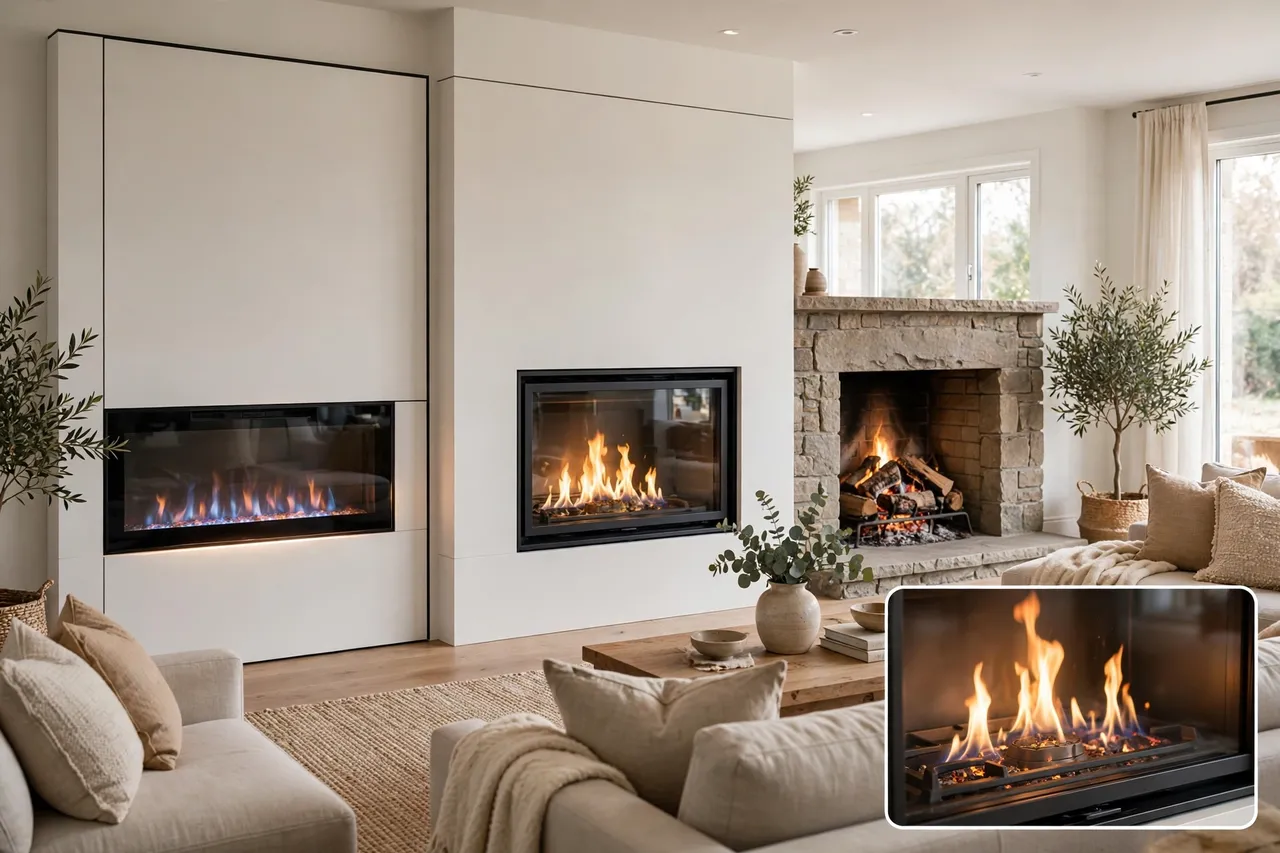
Use the table above as a planning range, not a quote. Your final price depends on your home’s layout, your local labor rates, and the condition of your chimney. The next section covers the job most homeowners actually buy, and the one where the price spread surprises people most.
Gas Fireplace Insert Cost: The Job Most Homeowners Actually Buy
A gas fireplace insert costs $2,000 to $5,000 installed on average, according to HomeGuide‘s February 2026 guide. Angi and HomeAdvisor put the average a little higher, at $3,700, with most projects between $2,300 and $8,000.
The cost to install a gas fireplace insert breaks into two parts. HomeGuide lists the unit itself at $1,500 to $3,500, and installation labor at $500 to $1,500. The unit is only part of the bill, and labor, venting, and the gas line make up the rest. A straightforward swap into a sound fireplace takes about one day.
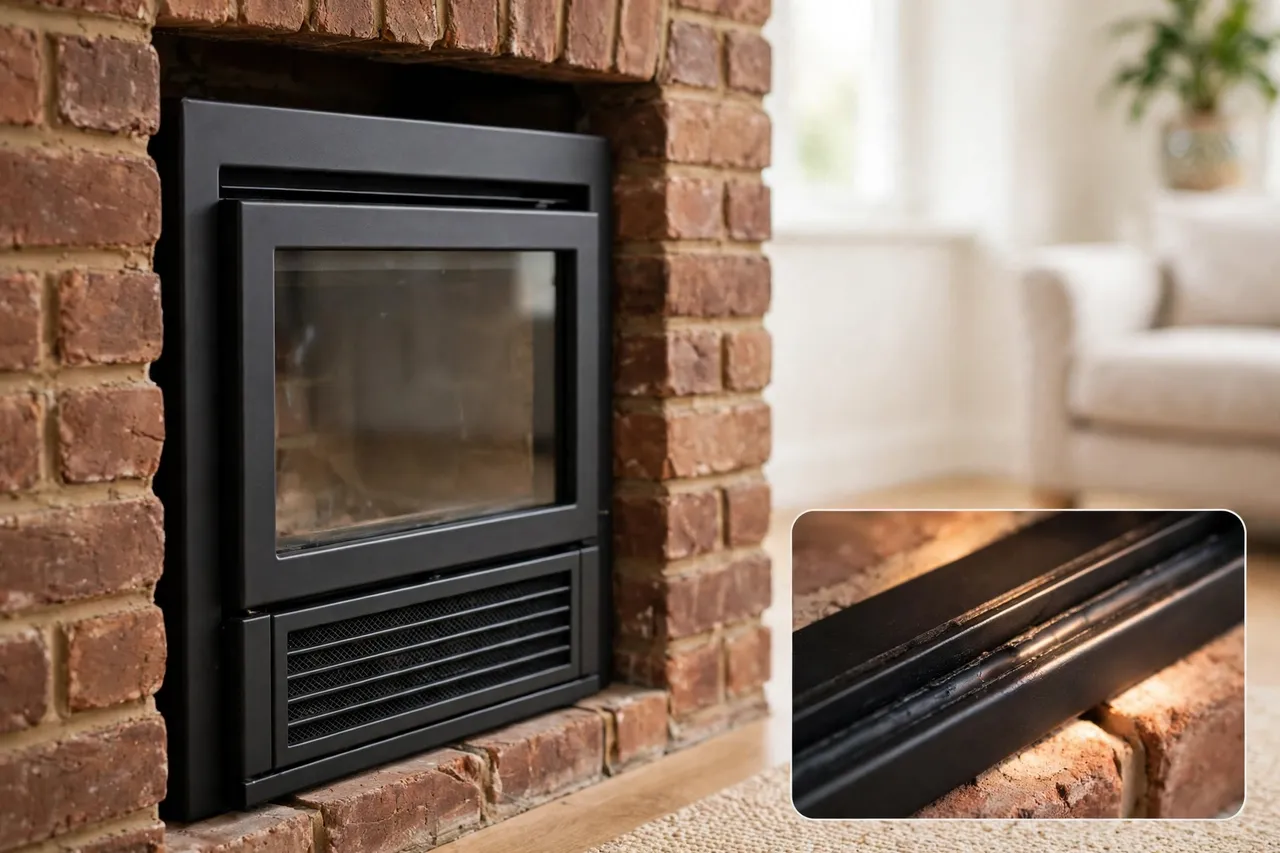
Vent type changes the price more than the brand does. A direct-vent gas insert costs $4,300 to $11,200 installed, according to Angi, because it vents exhaust outside through a sealed pipe. A ventless gas insert costs $1,500 to $4,600, because it needs no chimney or vent at all. Ventless models are cheaper, but they exhaust into the room, and HomeGuide notes they are banned in some areas, so check your local code before you choose one.
A cheaper cousin is the gas log insert, a set of ceramic logs with a burner that sits inside your open fireplace. HomeGuide puts a gas log fireplace insert at $300 to $2,000 installed. It looks like a real fire and costs far less, but it heats weakly and needs the damper open while it runs. Before you order any insert, measure the firebox first, because an insert that does not fit is a costly return. Our guide to average fireplace size shows the common firebox sizes and how to measure yours.
Once the insert is in, the spending does not stop. A yearly service keeps it safe and efficient, and our gas fireplace upkeep guide covers the yearly checks that keep a gas unit safe. But the insert is only one line on the bill, and the next section shows all the others.
What a Fireplace Installation Quote Actually Includes
A complete fireplace installation quote covers seven things: the unit, labor, venting, the gas line or wiring, the chimney liner, permits, and the surround. Angi puts ventilation at $10 to $20 per linear foot and wiring at $150 to $200, while HomeGuide lists a stainless-steel chimney liner at $900 to $3,800.
| Line item | Typical cost | Notes |
|---|---|---|
| Unit (insert or fireplace) | $1,000–$3,500 | Size, brand, and features set the price |
| Labor | $500–$1,500 | Gas insert; up to $2,180 for wood-burning |
| Venting | $10–$20 per linear foot | Only vented models need it |
| Gas line | $15–$50+ per linear foot | $250–$500 to extend an existing line |
| Chimney liner | $900–$3,800 | Stainless steel, when the old flue is unsafe |
| Wiring | $150–$200 | Dedicated circuit for electric units |
| Permits | $100–$400 | Installer usually pulls them for you |
| Surround and hearth | $1,000–$5,000+ | Tile or brick at the low end, marble at the top |
Here is what most people get wrong: they budget for the firebox and forget the finish. The firebox is rarely the most expensive part of the job. Angi notes that simple tile or brick surrounds run $1,000 to $1,500, while marble can push past $5,000, and that gap alone can double a modest project.
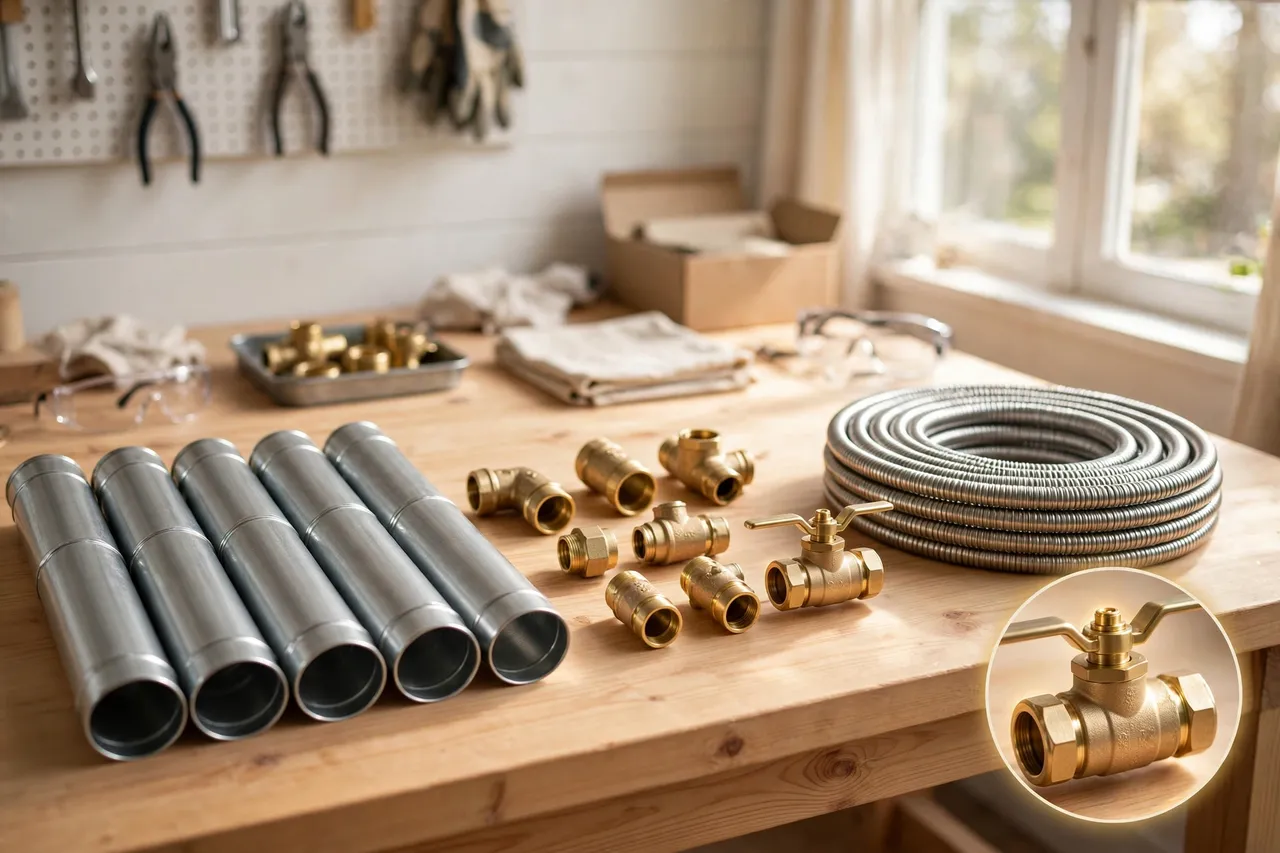
When a quote arrives as one lump sum with no line items, ask for the breakdown. A fair installer lists each line separately and names the brand and model. Guess which line on this list most often doubles between the first quote and the final bill? The answer is in the next section.
What Drives the Price Up
Three things push a fireplace installation bill up fastest: a missing chimney, a long new gas line, and masonry or chimney repairs found mid-job. Angi lists chimney repairs at $160 to $750 and a full rebuild at $1,000 to $5,000, and either one can appear only after the old unit comes out.
- No chimney at all: a new vent run through a wall or roof, plus framing, adds thousands to a new gas fireplace.
- Long gas line run: HomeGuide lists gas line work at $15 to $50 or more per linear foot, so a fireplace far from the meter costs far more than one beside it.
- Damaged flue or liner: a cracked clay flue often forces a stainless-steel liner at $900 to $3,800 before any insert can go in.
- Old insert removal: Angi puts removing an old insert at $600 to $2,500, a line many first quotes leave out.
- Custom surround: marble and sourced stone push materials past $5,000, according to Angi.
- Odd firebox size: an insert that does not fit your opening means custom work or a different unit, so measure before you buy.
A chimney repair found mid-job is the most common budget surprise. A sweep and inspection before you sign the install contract finds it early, when it is still cheap to plan around. Our chimney sweep cost guide shows what a sweep costs and what it should include.
If the chimney needs more than a cleaning, fix the cap and the crown before the insert goes in. A cracked cap lets rain onto the flue, and rain is what rusts the parts you just paid for, as our chimney cap replacement guide explains. The driver that costs the most, though, is not on this list at all: it is choosing a new fireplace when a replacement insert would do, and that choice is next.
Replacing a Fireplace Insert vs. Installing a New One
Replacing a fireplace insert costs $2,000 to $5,000 for a gas model, according to Angi, because the firebox, chimney, and gas line already exist. A brand-new gas fireplace in a room with no fireplace at all runs $2,500 to $10,000, since the venting and gas line start from zero.
The cost to replace a fireplace insert stays low because most of the expensive work is already done. You pay for the new unit, about a day of labor, and removing the old one, which Angi lists at $600 to $2,500. If the firebox and chimney are sound, replacing the insert almost always beats starting over. A new install only wins when the old firebox is cracked, too small for any insert, or in the wrong room entirely.
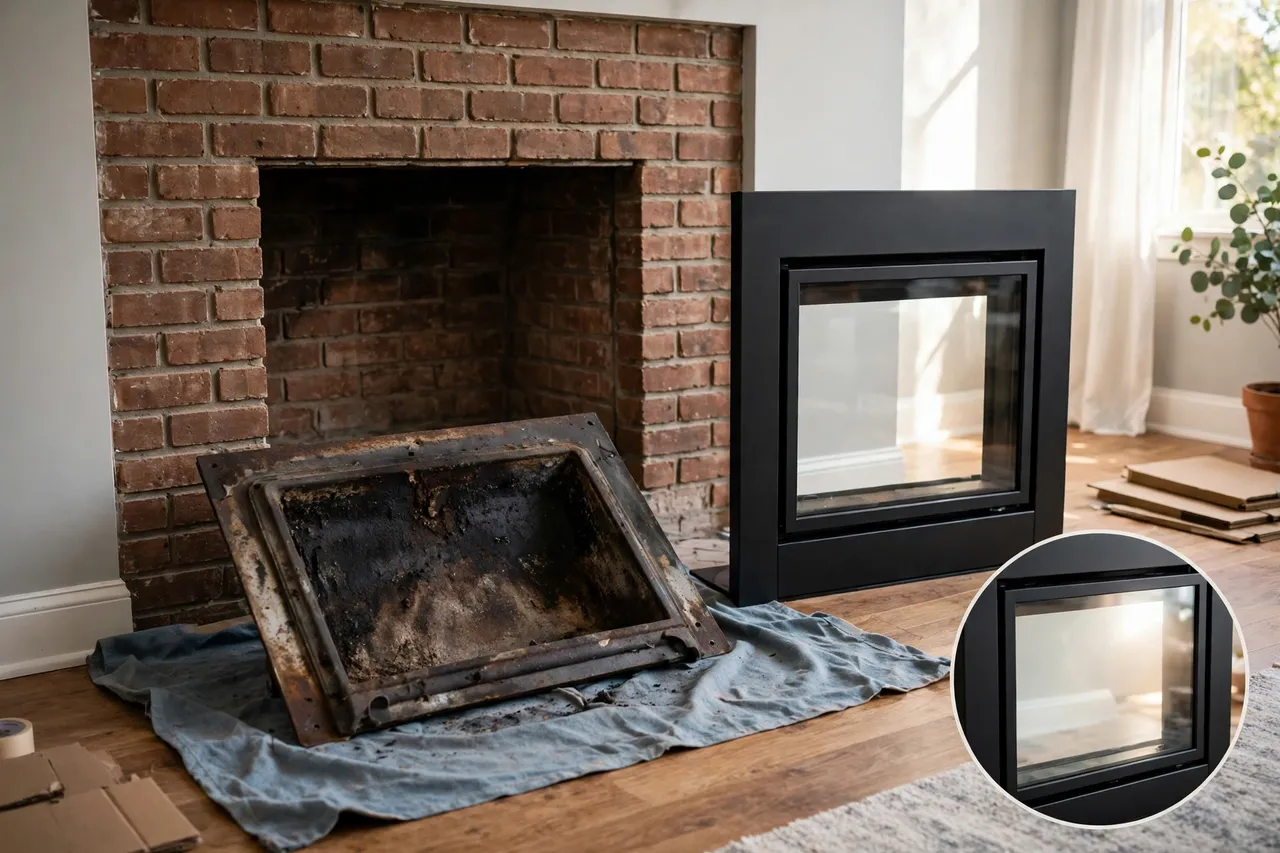
Converting a wood fireplace to gas sits between the two. HomeGuide puts the cost to convert a wood fireplace to gas at $1,500 to $8,000, depending on the insert, the gas line, and the venting. It is the most popular conversion because you keep the chimney and the hearth and gain a fire that lights with a switch.
Age decides the timing. HomeGuide says fireplace inserts last 10 to 20 years, and the pilot light assembly wears out first, often after 5 to 10 years. If your insert is past 15 years and the pilot keeps failing, price a replacement before you pay for another repair. Our repair fireplace guide walks through the common smoke, crack, and pilot-light fixes and what they cost, so you can compare a repair bill against a replacement quote side by side.
Do You Need a Permit to Install a Fireplace?
Yes, in most places. HomeAdvisor puts permit fees at $100 to $400, and HomeGuide lists $100 to $500 for a gas fireplace, with the installer usually pulling the permit. Any job with a new gas line, a new vent, or a new chimney opening almost always needs one.
A permit is not paperwork for its own sake. It triggers an inspection that checks the gas line pressure test, the venting route, and the clearances to wood and drywall, which are the three mistakes that cause fires and carbon monoxide leaks. Never skip the permit to save $100 to $400, because it is the cheapest safety check on the whole job. Skipping it can also void your home insurance and cause trouble when you sell the house.
Ask one question before you hire anyone: will you pull the permit and book the inspection? A good installer says yes without hesitating, and the fee appears as its own line on the quote. If an installer tells you no permit is needed for a new gas line, get a second opinion. The permit also protects your warranty, since most makers require a code-compliant install. And once the permit question is settled, the next question is how to tell a fair quote from a padded one.
How to Read a Quote and Compare Installers
A fair quote lists every line separately: unit, labor, venting, gas line, wiring, permits, and surround, with the brand and model named. HomeGuide advises getting at least three estimates on equal-quality units, and never paying in full before the work starts.
- Get three itemized quotes for the same unit and the same scope, so the prices are truly comparable.
- Check that the installer is licensed, bonded, and insured, and has been in business for more than five years.
- Confirm the insert size and heat output fit your room, using your firebox measurements.
- Confirm the permit and the final inspection are included, not added later.
- Agree a payment plan in writing, with the final payment due only when the work is finished and inspected.
Watch for red flags. A single lump sum with no breakdown, no brand or model named, no permit mentioned, or a demand for full payment up front all point the same way. Three itemized quotes on the same unit tell you the real market price. A quote far below the other two usually leaves something out, and that something shows up later as an extra charge.
Ask how long the job takes, too. Angi says most fireplace installations take one to three days, and a simple insert swap often takes one. A quote that promises a full new gas fireplace in a few hours is a quote to question. Once you can read a quote, the last step is knowing where the safe savings are.
How to Save Money Without Cutting Safety
The cheapest safe fireplace installation is an electric insert at $100 to $2,200, according to HomeGuide, because it needs no venting or gas line. The next cheapest is a gas or wood insert fitted into a sound existing fireplace, which skips the chimney, venting, and masonry work a new build needs.
- Keep the firebox and chimney you already own, and fit an insert instead of building new.
- Choose a simple surround: a painted or limewashed brick finish costs a fraction of new stone, as our limewash vs whitewash brick fireplace guide shows.
- Clean the firebox yourself before the installer arrives, following our how to clean a brick fireplace guide, so the crew’s time goes to the install.
- Book the sweep and inspection first, so a cracked flue is found before install day, not during it.
- Ask about off-season dates, when installers have open calendars and more room to negotiate.
- Compare three itemized quotes, and ask each installer which line they can trim without touching safety.
Save on the surround and the timing, never on the gas line, the venting, or the permit. A carbon monoxide detector costs $20 to $160, according to HomeGuide, and it is the cheapest safety device in the whole project. If a bigger refresh is on your mind, our fireplace renovation ideas show makeovers from a $50 paint job to a full remodel, so you can see which upgrades are worth the money and which are not.

Safety First: When to Call a Professional
Call a licensed professional for any gas line work, venting change, or chimney repair. HomeAdvisor states plainly that DIY gas fireplace installation is never advised, because a gas leak, a bad vent, or a missed permit can cause fire or carbon monoxide poisoning.
Gas line work is a licensed professional’s job only, and so is any venting change that cuts through a wall or roof. A chimney professional should also inspect the flue before a new insert goes in, since a blocked or cracked flue can push exhaust back into the room. The Chimney Safety Institute of America follows NFPA 211, the national standard, which calls for chimneys, fireplaces, and vents to be inspected at least once a year.
Keep working smoke and carbon monoxide alarms in your home, and test them before the first fire of the season. If you smell gas, leave the house at once and call your gas company or 911 from outside. Do not light the fireplace, flip switches, or go back inside to check.
Safety disclaimer: This article is general home information, not professional advice. Fireplaces, gas lines, and venting can cause fire, gas leaks, and carbon monoxide poisoning if installed the wrong way. Gas line and venting work must be done by a licensed professional, and most areas require a permit and inspection. If you smell gas, leave the house at once and call your gas company or 911. If a carbon monoxide alarm sounds, or anyone has a headache, dizziness, nausea, or confusion while the fireplace is in use, get to fresh air at once and call 911.
Related Guides
These guides cover the rest of the job around your new fireplace: average fireplace size, chimney sweep cost, repair fireplace, gas fireplace upkeep, fireplace renovation ideas, and chimney cap replacement.
Frequently Asked Questions
How much does it cost to install a fireplace insert?
A fireplace insert costs $1,000 to $3,600 installed on average, according to Angi’s 2026 guide, with most projects between $700 and $6,500 depending on fuel type. Gas inserts average $3,700, wood inserts run $2,000 to $5,500, and electric inserts cost $100 to $2,200. Your existing chimney and gas line decide where you land.
How much does it cost to replace a gas fireplace insert?
Replacing a gas fireplace insert costs $2,000 to $5,000, according to Angi, including the new unit and labor. Removing the old insert adds $600 to $2,500. Replacement costs less than a new install because the firebox, chimney, and gas line already exist, so you pay for the unit and about one day of labor.
How much does it cost to install a gas fireplace?
A gas fireplace installation costs $2,500 to $10,000 on average, according to Angi, with most gas insert projects averaging $3,700. A new gas line, new venting, and a custom surround push the price up, while a simple insert swap into an existing fireplace stays near the low end. Get three itemized quotes before you decide.
Do I need a permit to install a gas fireplace?
Yes, in most areas. Permit fees run $100 to $400, according to HomeAdvisor, and cover the gas line, venting, and final inspection. Your installer usually pulls the permit for you. Skipping it can void your insurance and cause trouble at resale, so confirm the permit is in the quote.
Does a gas insert fireplace need a chimney?
A standard vented gas insert needs a chimney or a direct vent to carry exhaust outside, according to HomeGuide. Ventless inserts need no chimney because they exhaust into the room, but they are banned in some areas and not allowed everywhere. Check your local code before choosing a ventless model.
How long do fireplace inserts last?
Fireplace inserts last 10 to 20 years with proper use and care, according to HomeGuide. Gas inserts typically last 10 to 25 years, and the pilot light assembly wears out first, often after 5 to 10 years. Yearly cleaning and service stretch the life of any insert.


