
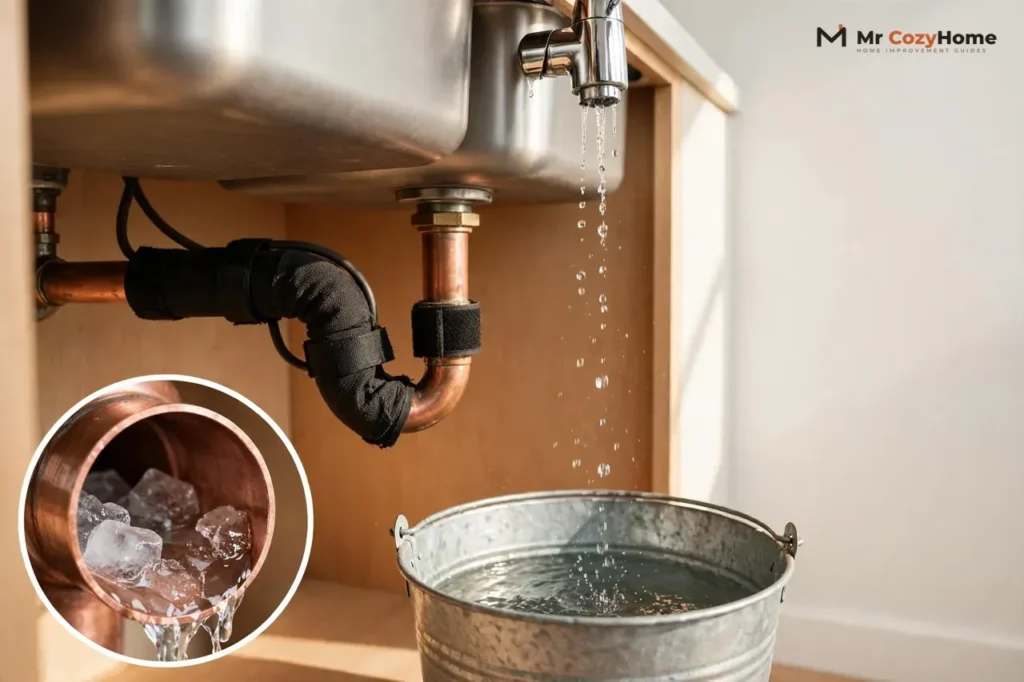
How long does it take for pipes to unfreeze? For a pipe you can reach, about 30 to 45 minutes with direct heat, such as a hair dryer or a heating pad. That is the short answer, and it holds for a normal household freeze on an exposed pipe.
But the real answer depends on your pipe and your weather. A pipe hidden inside a wall can take several hours. A pipe left to thaw on its own can take hours, days, or even longer if the cold holds. This guide gives you honest time ranges for every common method and every common situation, so you know what to expect and when to call a plumber.
How Long Does It Take for Pipes to Unfreeze?
Most accessible frozen pipes thaw in 30 to 45 minutes when you apply direct heat, according to Nationwide and SERVPRO, two sources that agree on that range. A pipe under a kitchen sink or in an open basement is the fastest case. You point a hair dryer at the frozen section, keep the faucet open, and water starts to flow again in under an hour.
That 30 to 45 minute range is a typical case, not a promise. Your thaw can run longer when the ice plug is long, the pipe sits inside a wall, the room stays cold, or the freeze has lasted for days. It can also run shorter. A small, partial freeze where water still trickles through may clear in 20 minutes or less.
Think of thaw time in three bands. Fast means under an hour, and that is an exposed pipe with direct heat. Medium means one to several hours, and that covers pipes in walls, pipes in cold rooms, and room-heating methods. Slow means many hours to days, and that is what you get when you wait for nature to do the work.
Thawing Time by Method
The method you pick is the biggest thing you control. Direct heat on the pipe works fastest. Warming the whole room works slowest. The table below pulls the ranges together from the sources checked for this article on 5 November 2026.
| Thawing method | Typical time | Conditions |
|---|---|---|
| Hair dryer on the frozen section | 30 to 45 minutes | Pipe is exposed and you can reach it |
| Heating pad or heat tape wrapped on the pipe | 30 to 60 minutes | Pipe is exposed; pad or tape stays in place |
| Towels soaked in hot water | 30 to 60 minutes | Re-soak towels every 5 to 10 minutes |
| Space heater warming the room | 1 to 3 hours | Room is closed off and heater runs safely |
| Turning up the thermostat | 2 to 12 hours | Outdoor temperature is above freezing |
| Natural thaw, no heat added | A few hours to a few days | Depends on weather, location, and freeze length |
| Hidden pipe in a wall or underground | Several hours or more | Heat must pass through wall or soil first |
Read the table as a planning tool, not a stopwatch. Two pipes in the same house can thaw at very different speeds. The table tells you which method fits your situation and how long to give it before you change course.
How Long Does a Hair Dryer Take?
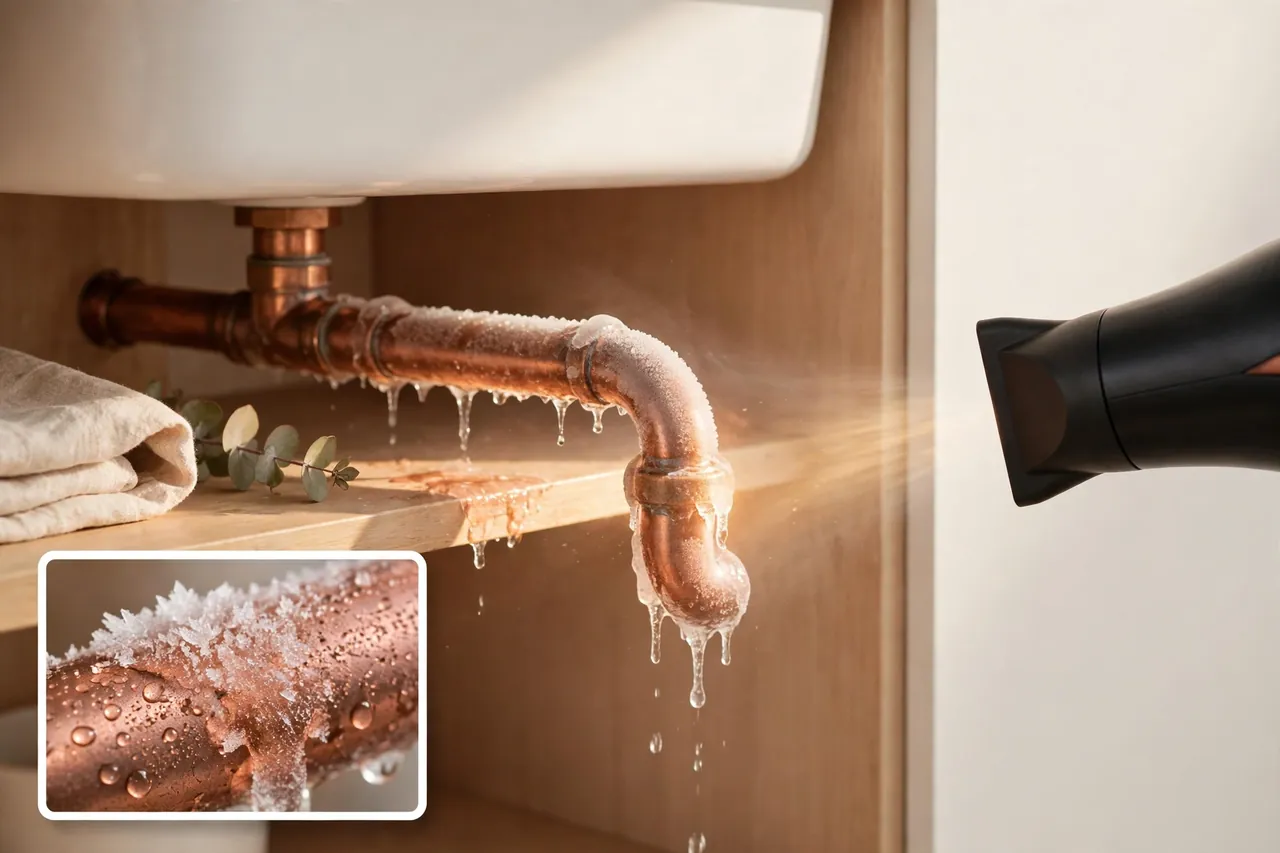
A hair dryer is the fastest do-it-yourself option for a pipe you can see and touch. Plan on 30 to 45 minutes of steady work. Start near the faucet end of the frozen section and move slowly toward the coldest part. Keep the faucet open while you work so melting water has somewhere to go.
Move the dryer back and forth instead of holding it in one spot. That spreads the heat and protects the pipe. A dryer held still can overheat one section and stress a joint. If the dryer itself gets very hot, give it a short rest and then keep going.
How Long Does Heat Tape or a Heating Pad Take?
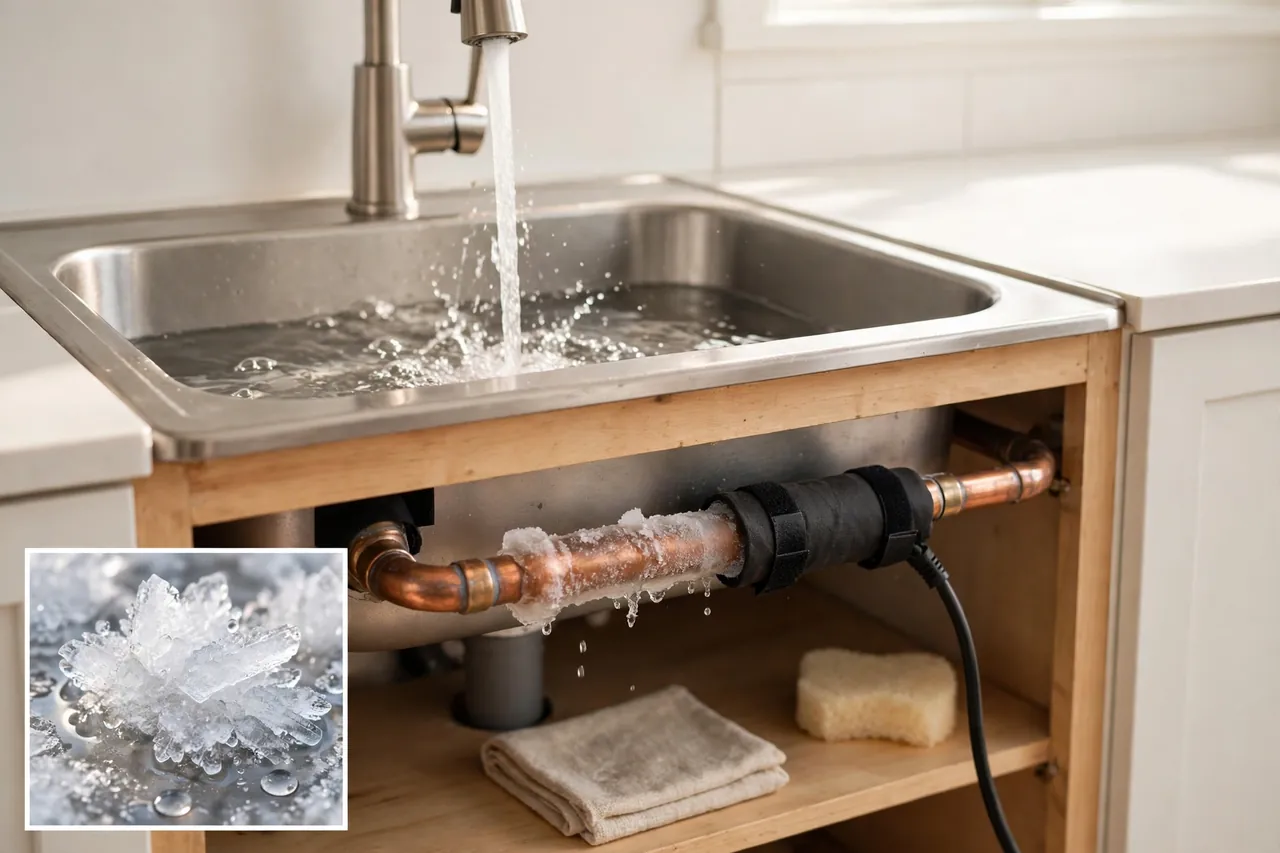
A heating pad or thermostatically controlled heat tape takes about 30 to 60 minutes on an exposed pipe. The heat is gentler than a hair dryer, so it works a little slower, but it also frees your hands. Wrap the pad around the frozen section, switch it on, and check the faucet every 10 minutes or so.
Heat tape shines on long runs of pipe in a cold basement or crawl space, because it warms the whole length at once. A hair dryer only warms the spot you aim at. If you already own heat tape from a past winter, this is a good moment to use it.
How Long Do Warm Towels Take?
Towels soaked in hot water take about 30 to 60 minutes, and they need your attention the whole time. Soak the towels, wring them out, wrap them around the frozen section, and swap them for fresh hot ones every 5 to 10 minutes. The moment a towel cools down, it stops helping.
This method suits a short frozen section under a sink, where you can stand nearby with a kettle or a pot of hot water. It is a poor pick for a long pipe run, because you cannot keep enough towels hot at once. If you find yourself re-soaking towels for over an hour with no water flow, switch to a hair dryer or call a plumber.
How Long Does a Space Heater Take?
A space heater warms the room, not the pipe, so it is slower. Expect 1 to 3 hours before water flows again, and longer if the room is large or drafty. Close the room door, point the heater toward the frozen area, and keep it well away from anything that can burn.
Never leave a space heater running without supervision near pipes. Check on it every 15 minutes or so. A space heater is a good partner to a hair dryer: the heater lifts the room temperature while the dryer works on the pipe itself.
How Long Does Turning Up the Thermostat Take?
Raising the heat in your whole house can thaw pipes in interior walls, but it is the slowest active method. Give it 2 to 12 hours once outdoor temperatures rise above freezing. The warm air has to soak through walls and floors before it reaches the pipe.
This method works best as a helper, not as your only plan. Turn the heat up, open the cabinet doors under sinks on outside walls, and then use direct heat on any pipe you can reach. Together they thaw faster than either one alone.
How Long Does It Take Pipes to Thaw Naturally?
How long for pipes to thaw naturally? It can take anywhere from a few hours to a few days, according to Spencer Home Services, and other sources stretch that range further when the cold does not let up. Mr. Rooter Plumbing puts it plainly: if you wait for your pipes to thaw on their own, it can take hours, days, or even weeks before the weather warms enough to finish the job.
Natural thaw only starts when the air around the pipe climbs above freezing. A pipe in a sunny kitchen may thaw within a day of a warm-up. A pipe in a shaded crawl space can stay frozen for days after the outdoor temperature rises, because the ground and the walls around it are still cold. In a deep cold snap that lasts a week, a natural thaw may not happen at all.
Waiting is the riskiest choice. The longer a pipe stays frozen, the greater the chance it cracks or bursts, and a burst can flood your home the moment the ice melts. That is why every source checked for this article says the same thing: do not just wait. Add heat, even gentle heat, and you cut the wait from days to under an hour in most cases. If you want the full wait-or-act decision, read our guide on will frozen pipes thaw on their own.
What Makes Thawing Faster or Slower?
Five things decide your thaw time. Check them before you start, and you will know whether to expect 30 minutes or a full day.
Where the Pipe Sits
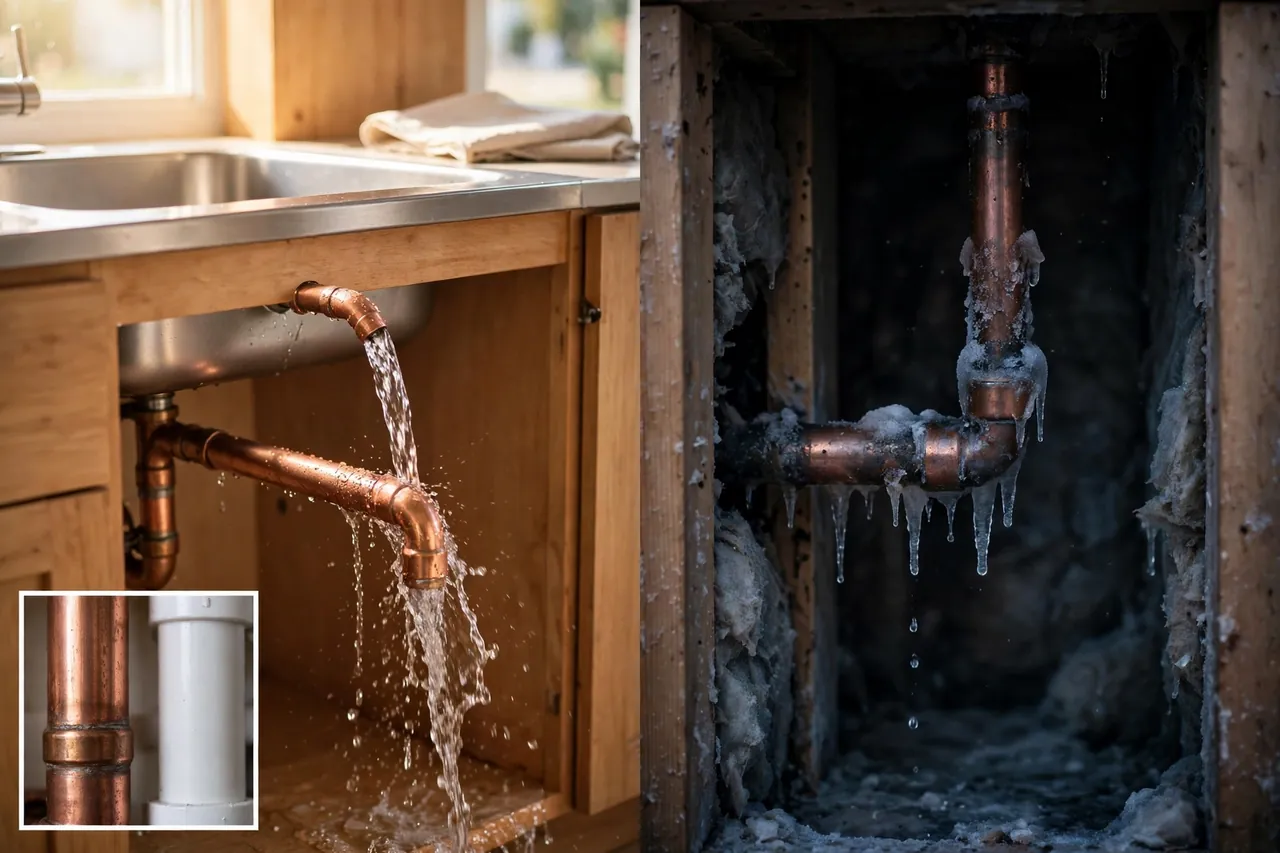
Location matters more than anything else. An exposed pipe under a sink thaws in 30 to 40 minutes with a hair dryer, according to Engineer Fix. A pipe inside a wall cavity takes several hours, because the heat must pass through drywall first. An underground pipe takes even longer, because soil holds the cold.
Pipes in attics, crawl spaces, garages, and exterior walls are the slow ones. They sit in cold air with little insulation, and you often cannot reach them. If you cannot see the frozen section at all, your thaw time jumps into the hours, and a plumber becomes the faster option.
Pipe Material and Size
Copper pipes thaw faster than plastic pipes. Copper carries heat well, so warmth from a hair dryer spreads quickly along the pipe. PEX and PVC plastic carry heat poorly, so they need a longer, patient application of heat. That is the trade-off: plastic resists freezing a little better, but it also thaws slower.
Size matters too. A small half-inch line holds less ice than a one-inch main, so it thaws faster. A large pipe holds a bigger block of ice, and melting it takes more heat and more time. If your frozen pipe is a wide main line, add at least an hour to the table ranges above.
How Long the Pipe Has Been Frozen
An overnight freeze is a quick fix. A freeze that has lasted for days is a slow one. The longer water sits below freezing, the larger and denser the ice plug grows. A small, partial freeze where water still trickles through melts much faster than a long, solid dam of ice that blocks the line completely.
If your pipe froze last night and you caught it this morning, expect the fast end of the range. If the pipe has been frozen since a cold snap started three days ago, expect the slow end, and watch closely for cracks as it thaws.
Air Temperature Around the Pipe
Warm air speeds a thaw, and cold air stalls it. Once outdoor temperatures climb above freezing, an exposed pipe may thaw naturally in 2 to 12 hours, according to Engineer Fix. If temperatures stay below freezing, the same pipe can take more than 24 hours without help.
Indoor temperature counts too. A kitchen kept at 68 degrees warms its pipes far faster than a basement sitting at 45 degrees. Turn the heat up, open cabinet doors on cold walls, and you shorten every method on the table.
Insulation and Exposure to Wind
Insulation slows freezing, but it also slows thawing a little, because it blocks your heat from reaching the pipe. That is a fair trade. A well-insulated pipe rarely freezes in the first place. When one does freeze, peel back or loosen the insulation around the frozen section before you apply heat, then put it back once water flows again.
Wind and drafts make things worse. A pipe on a windy outside wall loses heat fast and thaws slowly. Seal obvious drafts around the pipe with a towel or a blanket while you work, and the heat you apply stays where you need it.
How to Tell When a Pipe Is Fully Thawed
The thaw is done when water flows freely and steadily from the open faucet, not as a slow drip or a thin trickle. Full water pressure is the signal. A trickle means ice is still blocking part of the line, so keep applying heat.
Listen as well as you watch. Gurgling, clanking, or whistling sounds from the pipe often mean the ice dam is breaking apart. Those noises are normal during a thaw. Once the flow turns smooth and steady, leave the faucet open for a few more minutes so the last bits of ice clear the line.
Check every faucet in the house after the first one runs clear. One frozen pipe often means others froze too, especially on the same cold wall or in the same unheated space. Finding the second frozen pipe now beats finding it tomorrow.
What Slows a Thaw Down the Most?
A few common mistakes stretch a 30-minute thaw into an all-day job. Skip them and you save hours.
- Heating the wrong section. Warm the pipe near the faucet first, then work back toward the coldest part. Heat applied in the middle traps melting water behind ice.
- Leaving the faucet closed. A closed faucet traps pressure and slows the melt. Keep it open from the start.
- Using a weak heat source on a long freeze. A single warm towel cannot melt a three-day ice plug. Match the method to the freeze.
- Letting the room stay cold. A hair dryer fights a losing battle in a 40-degree room. Warm the room and the pipe together.
- Stopping too soon. A trickle is not a thaw. Keep heating until full pressure returns, or the pipe can refreeze overnight.
If you fix these five things and the pipe still does not thaw, the freeze is bigger than it looks, or the pipe sits somewhere you cannot reach. That is the moment to stop guessing and call a plumber.
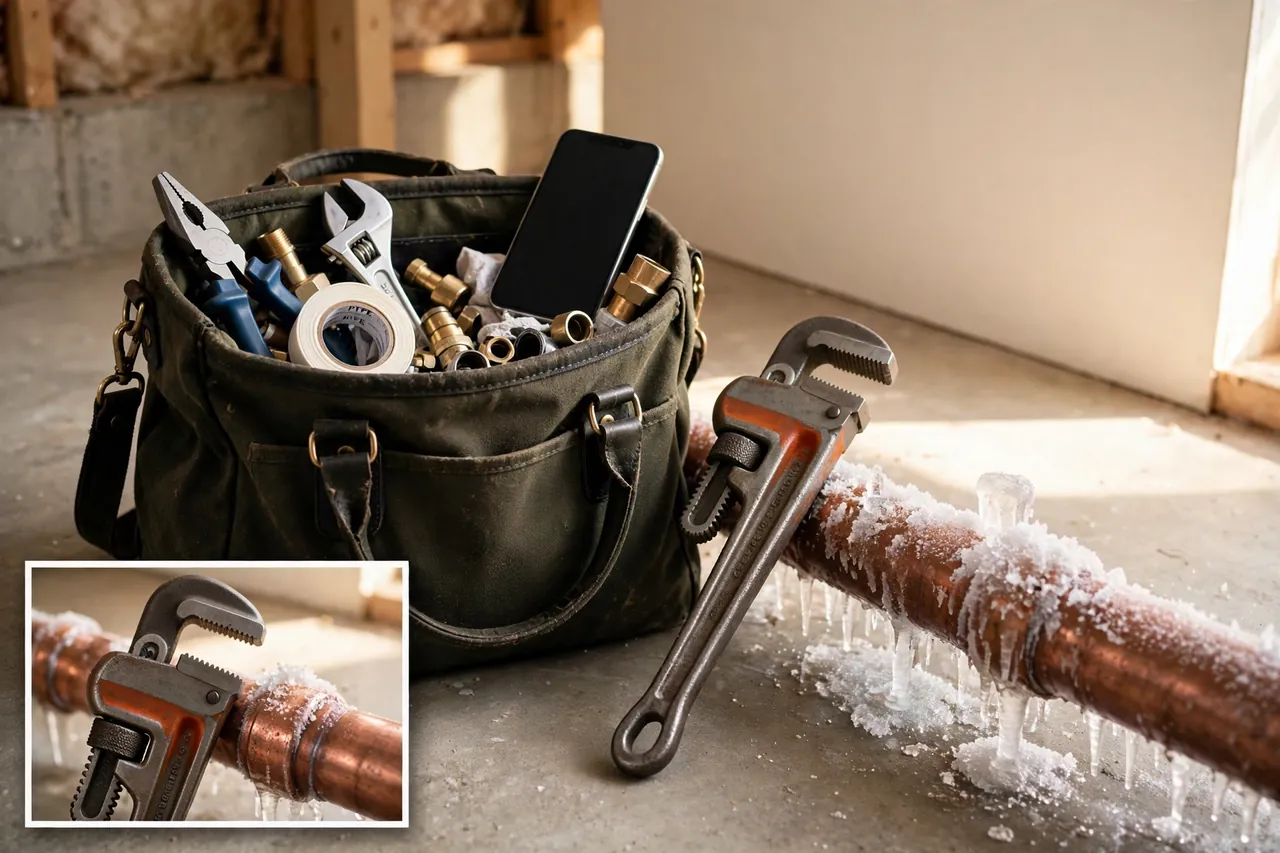
When Thawing Takes Too Long, Call a Plumber
Give a do-it-yourself thaw about an hour of real effort. Angi’s plumbing experts give the same line: if you have tried to unfreeze a pipe yourself for over an hour with no result, call a plumber. Spencer Home Services sets the outer limit at 24 to 48 hours of trying with a pipe still frozen: at that point, call a plumber without waiting longer.
Call sooner, right away, if you see any of these signs. Water leaking from a crack means the pipe has already burst. A bulge or split in the pipe means it is about to. No water at all from every faucet in the house can mean the main supply line is frozen. A pipe you cannot find or cannot reach is a plumber’s job, not a do-it-yourself job.
A burst pipe is expensive. Angi reports that burst-pipe repairs typically cost $150 to $5,000, with an average around $500, in a guide updated 9 July 2026 and checked for this article on 5 November 2026. A plumber’s thaw visit costs far less than a flooded kitchen. If you are unsure, make the call.
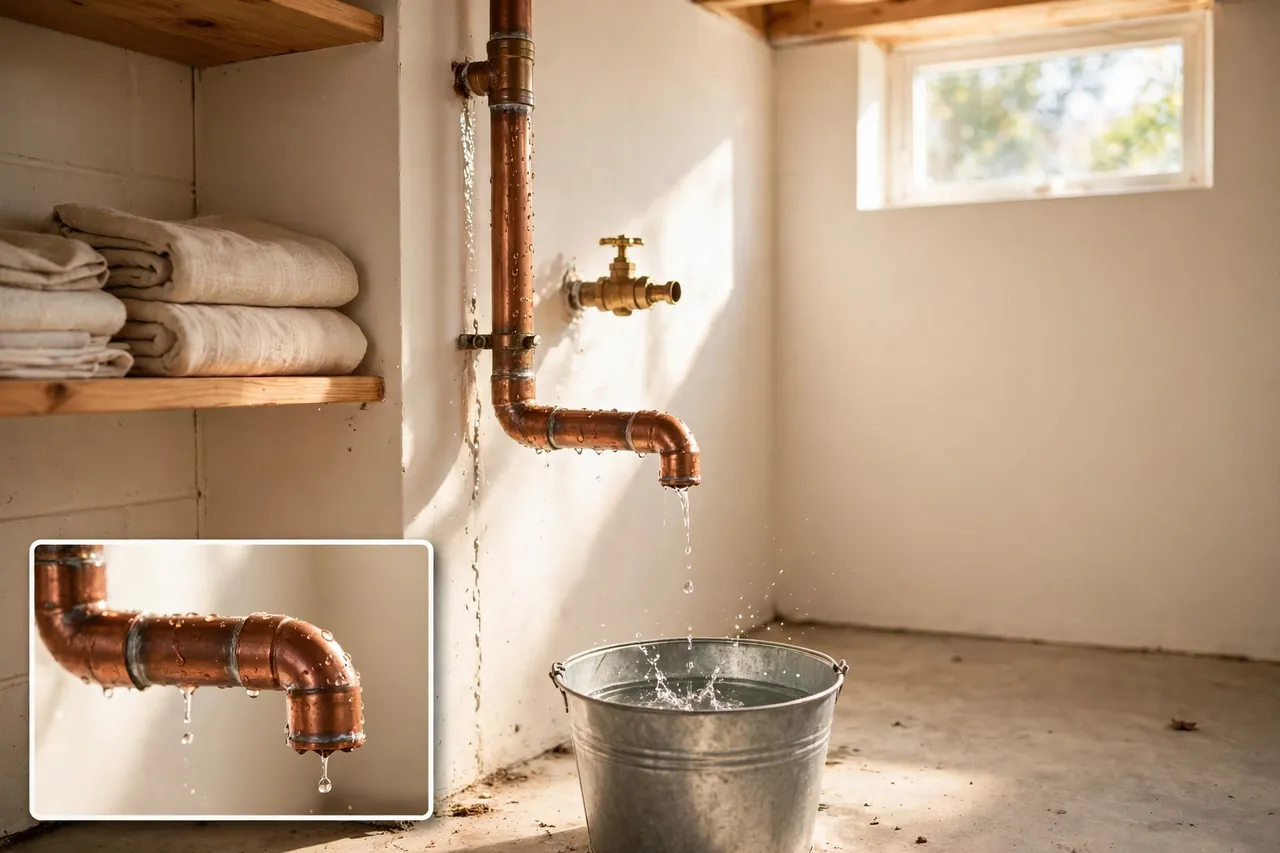
Watch for Leaks as the Pipe Thaws
A thaw is also the moment a burst shows itself. Ice can hide a crack, and the crack only starts leaking once water flows again. That is why the American Red Cross advises keeping the faucet open while you thaw and applying heat until full water pressure returns, then checking the pipe before you walk away. If you want to understand what a delayed thaw can lead to, read our guide on what happens when pipes freeze.
Before you start heating, find your main water shut-off valve and make sure you can turn it. If a leak appears during the thaw, shut the water off at once. Then watch the full length of the thawed pipe for drips, damp spots, bulges, or a fine spray. Check the wall and floor below it too.
Never use an open flame to thaw a pipe. The American Red Cross warns against blowtorches, kerosene or propane heaters, charcoal stoves, and any other open-flame device, because a torch can boil the water inside a frozen pipe and make it burst, and open flames in a home are a serious fire danger. A hair dryer, a heating pad, a space heater kept away from flammables, or towels soaked in hot water are the safe choices. If you cannot find the frozen section, cannot reach it, or cannot thaw it, the Red Cross says to call a licensed plumber.
One more safety note: keep water away from electrical outlets and cords while you thaw. If you see water pooling near an outlet or a heater, switch the power off at the breaker and step back. A wet floor and a live heater are a dangerous pair.
Related Guides
If you want extra peace of mind after a thaw, flood sensors can alert you to a leak from a cracked pipe before the water spreads. Place one near the pipe that froze and under sinks on cold outside walls.
Frequently Asked Questions
How long does it take for pipes to unfreeze?
Thawing a pipe yourself usually takes around 30 minutes, but it can take longer depending on outside weather conditions, how long the pipe has been frozen, and its location. If you have tried for over an hour with no result, call a plumber.
How long does it take for pipes to unfreeze naturally?
It can take anywhere from a few hours to a few days for your pipes to unfreeze naturally. The length of time depends on how long the pipes were frozen, the location of the pipes, and how cold the temperature is.
Will pipes eventually thaw on their own?
Yes, pipes will thaw on their own as the weather warms up and gets above freezing. Once it warms up, it should take a day or two for pipes to thaw. But waiting is risky, because a frozen pipe can crack or burst while you wait.
Will running water unfreeze pipes?
Running water can help melt ice inside the pipe, but only up to a certain point. If your pipe is frozen solid, adding water will not likely resolve the issue. Water will begin to flow through the pipe once the area is heated, which signals the thaw is working.
How do I know if my water pipes are frozen?
The most common signs of a frozen pipe include little to no water flowing from a faucet, visible frost on exposed pipes, and unusual odors coming from drains. If you notice these signs in multiple faucets, your main supply line might be frozen.
Who should you call about frozen water pipes?
If you cannot find or reach frozen pipes, call a licensed plumber. A plumber has the tools to safely reach and thaw pipes in tricky spots. If a pipe bursts and causes water damage, contact a water damage restoration company right away.
Before you start thawing, it helps to confirm the freeze first. Our guide on how do you know if pipes are frozen walks through the signs to check so you heat the right pipe.
Thawing a frozen pipe is a waiting game, but it does not have to be a long one. Most exposed pipes clear in 30 to 45 minutes with direct heat. Hidden pipes and natural thaws take hours or days, and that is when patience and a plumber’s phone number matter most.
Start with the fastest safe method you have, keep the faucet open, watch for leaks as the ice melts, and stop guessing after an hour with no progress. Your pipes, and your floors, will thank you.
Disclaimer: Homes, plumbing, and winter conditions vary, so thaw times are typical ranges, not guarantees. Never use an open flame to thaw a pipe, and shut off your water and call a licensed plumber if you see a leak, a bulge, or a crack, or if you cannot find or reach the frozen section.


