
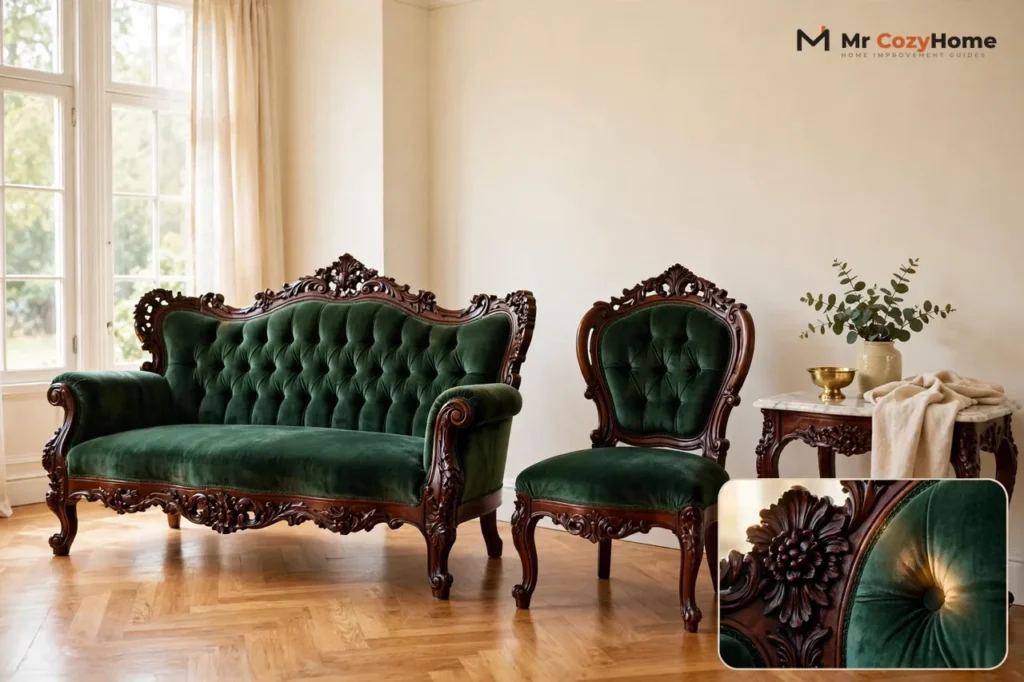
Victorian style furniture means furniture made during Queen Victoria’s reign, from 1837 to 1901, or new furniture that copies that look. It is easy to recognize once you know the signs: dark polished wood, deep carving, curved lines, rich velvet, and deep button tufting. Genuine antique Victorian couches on 1stDibs average $4,412, with listed pieces running from $381 to $47,181, checked November 12, 2026.
Most buyers make one expensive mistake: they pay antique prices for a reproduction, or they fill a room with so many heavy carved pieces that it feels like a museum. This guide shows you how to spot the real thing, what each revival style looks like, what Victorian furniture costs, and how to mix a statement piece into a modern home.
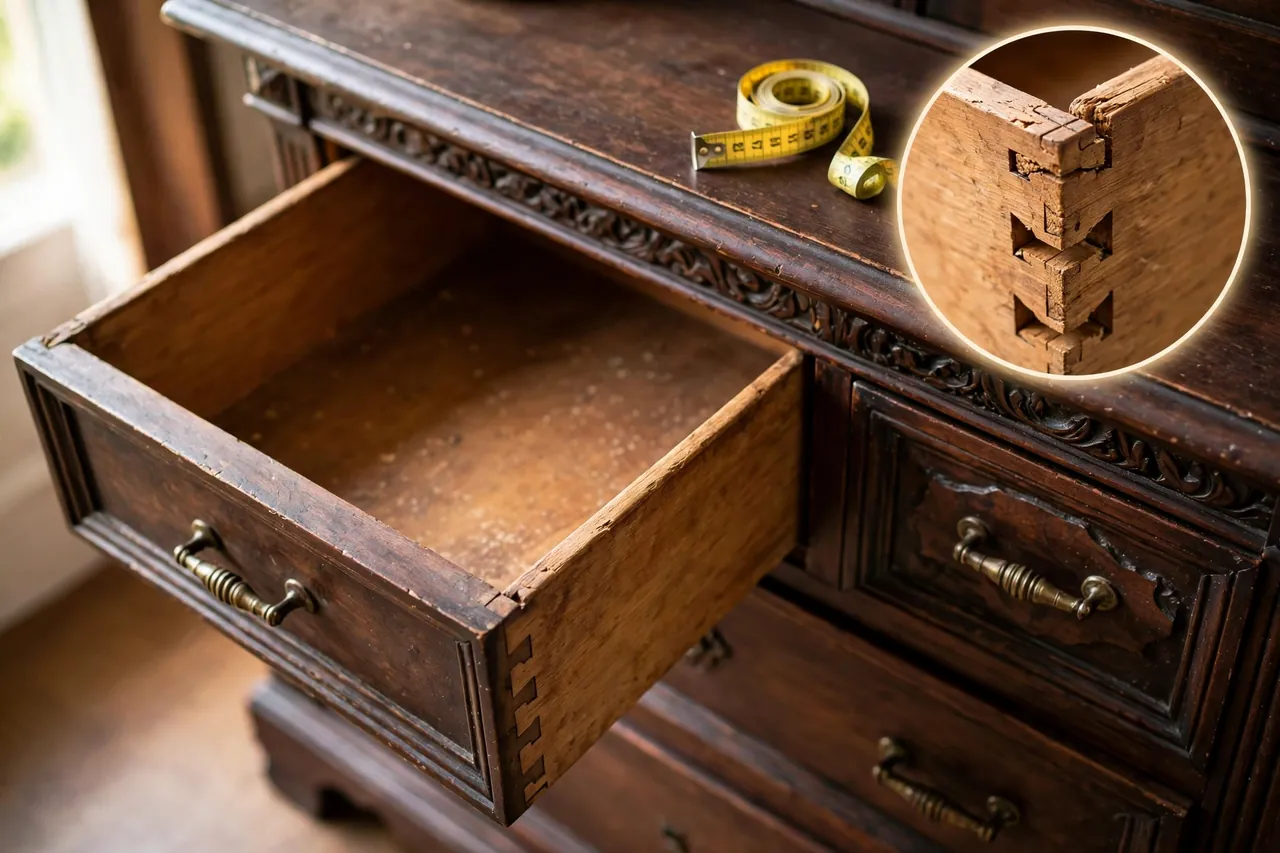
💡 Practical Home Tip: Before you buy any Victorian piece, measure your doorway, your stair turn, and the wall it will stand against. Victorian sofas and wardrobes are wide, tall, and heavy, and a beautiful settee that cannot get through a 30-inch door becomes a very expensive hallway problem.
What Is Victorian Style Furniture?
Victorian style furniture is furniture made during Queen Victoria’s reign in Britain, from 1837 to 1901, or new furniture built in that same ornate style. It covers six decades of changing taste, so it is not one single look but a family of revival styles that all share a love of ornament, dark wood, and comfort.
The style spread across Britain, the British Empire, and the United States, where it became the dominant look in middle-class and wealthy homes through the second half of the nineteenth century. New machines made carved furniture cheaper, so ornate pieces that once belonged only to aristocratic homes reached a growing middle class.
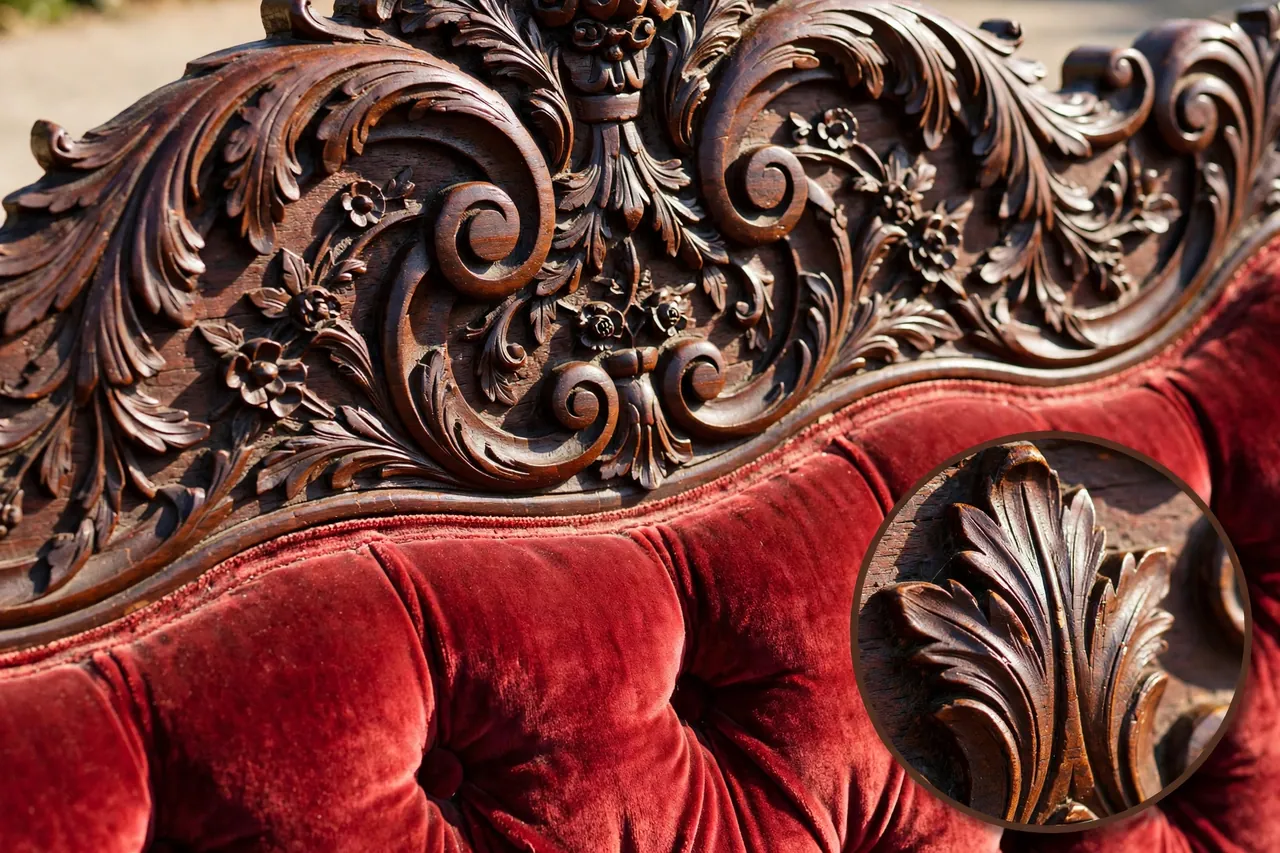
Today the phrase covers two different things. A genuine antique is a piece actually made in the nineteenth century, with period construction and honest wear. A Victorian-style reproduction is new furniture that copies the look with modern construction, comfortable cushioning, and standard sizes for today’s rooms.
The easiest way to hold the definition in your head is this: if it looks dark, carved, curved, and formal, it is probably Victorian in style. If it also shows hand-cut joints and wear where hands and feet touched it for a hundred years, it may be Victorian in fact.
The Four Revival Styles That Shape Victorian Furniture
Victorian designers borrowed freely from earlier periods, so four revival styles rose and fell across the era. The Metropolitan Museum of Art calls this a parade of styles drawn from the past, spread through pattern books and journals written for cabinetmakers and the general reader.
Rococo Revival came first in popularity and is the style most people picture as Victorian. It ran roughly from the 1840s to the 1860s, with flowing curves, cabriole legs, and carved flowers, fruit, and shells inspired by eighteenth-century French furniture. The Met notes that Rococo Revival was the most popular style for parlors, where a grand suite could hold two sofas, two armchairs, and four side chairs in matching silk.
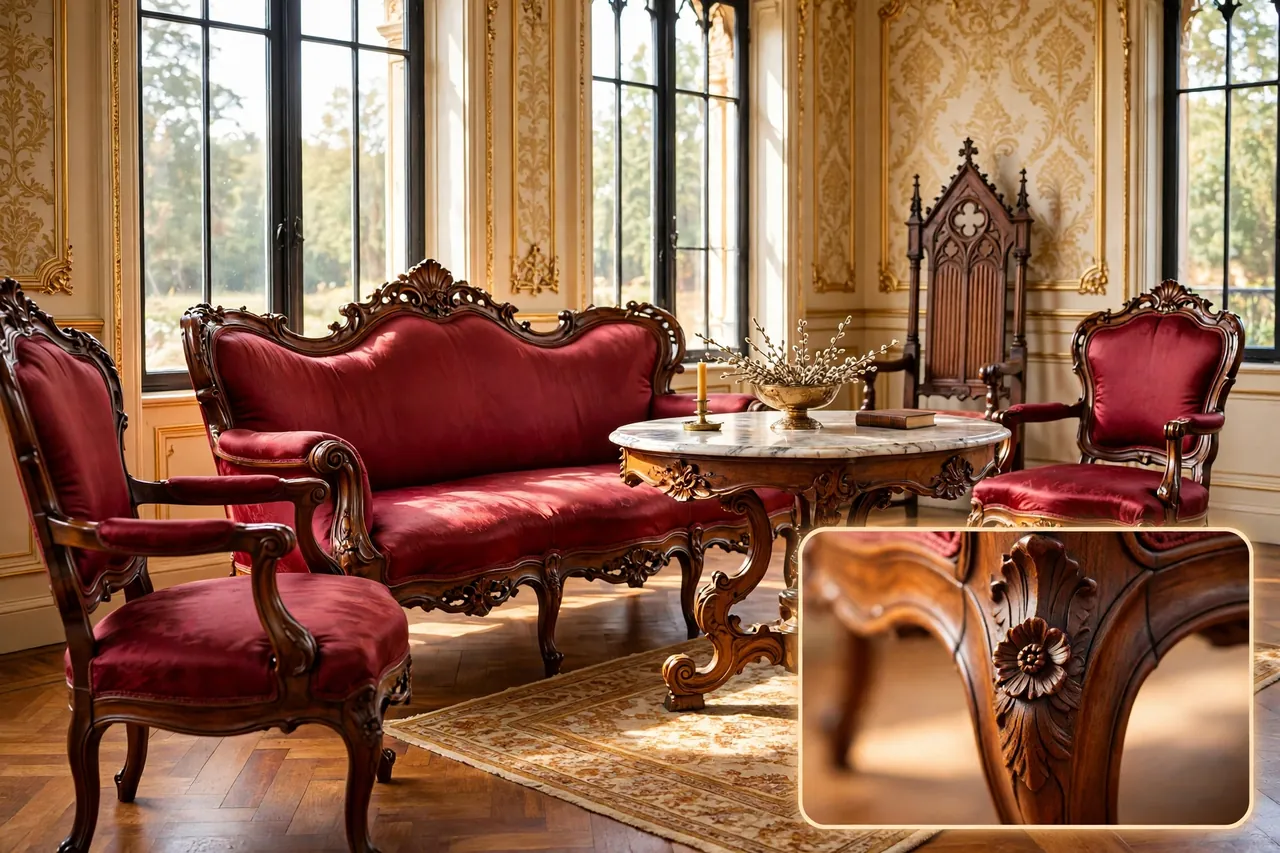
Gothic Revival drew on medieval churches and universities, with pointed arches, tracery, and tall formal chair backs, mostly in oak or other dark woods. The Met explains that it was considered right for home libraries and dining rooms, because its scholarly, church-like feeling suited serious rooms.
Renaissance Revival arrived from the 1860s onward and looks more architectural: columns, pediments, medallions, burled wood panels, and marble tops. These pieces are heavy and bold, and the Met notes they suited bedrooms as well as reception rooms.
Eastlake and the Aesthetic Movement closed the era as a reaction against all that excess. Named for British reformer Charles Locke Eastlake, whose book Hints on Household Taste appeared in 1868, this style favors straight lines and shallow geometric carving instead of deep relief. It leads directly into the lighter Edwardian furniture that followed the era.
| Style | Rough dates | Look for | Best room |
|---|---|---|---|
| Rococo Revival | 1840s–1860s | Flowing curves, cabriole legs, carved flowers | Parlor / living room |
| Gothic Revival | 1840s–1860s | Pointed arches, tracery, tall backs, oak | Library / dining room |
| Renaissance Revival | 1860s–1890s | Columns, pediments, marble tops, burled panels | Dining room / bedroom |
| Eastlake / Aesthetic | 1870s–1890s | Straight lines, shallow geometric carving | Any room |
One piece can mix two revival styles, because Victorian makers borrowed freely and the styles overlapped for decades. Name the strongest style you see, then move on to the wood and the construction, which tell you far more about age and value.
How to Spot Victorian Furniture: The 7 Tell-Tale Signs
You can spot Victorian style furniture in under a minute by checking seven signs together: dark polished wood, deep carving, curved shapes, heavy formal scale, button-tufted upholstery, rich fabric, and marble or gilded details. No single sign proves a piece is Victorian, but three or four together make the call easy.
Start with the wood. Mahogany, walnut, and rosewood dominate, finished to a deep warm glow that shows off the grain and the carving. Mahogany is deep reddish-brown and ideal for fine carving, walnut has a rich grain, and rosewood is dark and luxurious. Oak shows up mainly in heavier Gothic Revival pieces.
Next, read the carving. Elaborate carving is the signature of the style: scrollwork, flowers, fruit, acanthus leaves, shells, and crests on chair backs, sofa frames, and headboards. The carving runs deepest on the most visible parts, such as the crest rail of a sofa or the top of a bed.
Then check the shape. Victorian pieces love curves: curved backs, rounded arms, serpentine fronts, balloon-back and medallion-back chairs, and cabriole legs that curve outward at the knee and inward at the ankle. A balloon-back chair is one of the most recognizable Victorian silhouettes.
Look at the upholstery next. Velvet was the defining fabric, valued for its depth of color and soft texture, in deep reds, greens, blues, and golds. Damask, brocade, and silk dressed formal rooms, and leather appeared in libraries and studies. Deep button tufting gave sofas, chaises, and headboards a plush sculpted look.
Finally, check the extras. Marble tops were common on side tables, dressers, and washstands, while gilding, brass hardware, and mirrored panels added decoration. A marble top on a small carved table is one of the quickest Victorian tells there is.
- Dark polished wood: mahogany, walnut, rosewood, or oak
- Deep carving: flowers, fruit, scrolls, shells, acanthus leaves
- Curved shapes: balloon backs, cabriole legs, serpentine fronts
- Heavy, formal scale: tall headboards, broad sideboards, high-backed chairs
- Button-tufted upholstery in velvet, damask, or brocade
- Marble tops, gilding, brass hardware, or mirrored panels
- Matching suites: sofas, chairs, and tables sold as one set
Run this checklist on every piece you consider, and photograph the carving, the legs, and the underside before you pay. The next section shows how the construction underneath reveals whether a piece is a genuine antique or a reproduction.
Real Antique or Reproduction? How to Tell the Difference
A genuine Victorian antique shows its age in its construction, not just its style: hand-cut dovetails, uneven joinery, old finishes, and natural wear where hands and feet touched it for decades. A reproduction copies the look with modern methods, and the underside and the joints are where the copy gives itself away.
Start underneath and inside. Pull out a drawer and look at the dovetails that join its sides to its front. Hand-cut dovetails from before 1860 are slightly uneven, with wider spacing and small differences from joint to joint. Machine-cut dovetails are precise and even, and they point to later production.
Check the wood and the finish next. Old pieces show a patina that builds over time, a soft glow no new stain quite copies. Shellac was the main finish until the mid-1800s, and shellac dissolves in alcohol while lacquer does not. Look for natural wear on chair arms and drawer pulls, where a century of hands left their mark.
Look for maker’s marks too. Stamps or labels from the furniture maker often hide inside drawers or on the back of a piece, and a known maker adds both provenance and value. John Henry Belter, the New York maker famous for Rococo Revival parlor furniture, patented a method of shaping laminated wood into elaborate curved forms, and his pieces sit in the Metropolitan Museum of Art.
Check the upholstery and the springs as well. Victorian upholstery originally used natural fillings such as horsehair and straw, with early coil springs, under luxury fabrics. A chair stuffed with modern foam and stapled rather than hand-tacked is either a reproduction or a reupholstered antique.
When the price is high, spend a little on certainty. Anyone buying or selling a valuable antique should ask a qualified appraiser, because dating a piece precisely takes experience a checklist cannot replace. If you simply love the look, a new Victorian-style piece gives you the same character with modern construction.
What Does Victorian Furniture Cost?
Victorian furniture costs anywhere from a few hundred dollars for a single ordinary chair to tens of thousands for a named-maker suite, and one average hides the real story. On 1stDibs, Victorian antique couches average $4,412, with listed pieces running from $381 to $47,181, checked November 12, 2026.
The price of an antique depends on five things: who made it, what condition it is in, whether the upholstery and finish are original, how rare the form is, and how big it is. A plain side chair with worn fabric may sell for a few hundred dollars, while a documented Belter parlor suite in original condition can reach five figures.
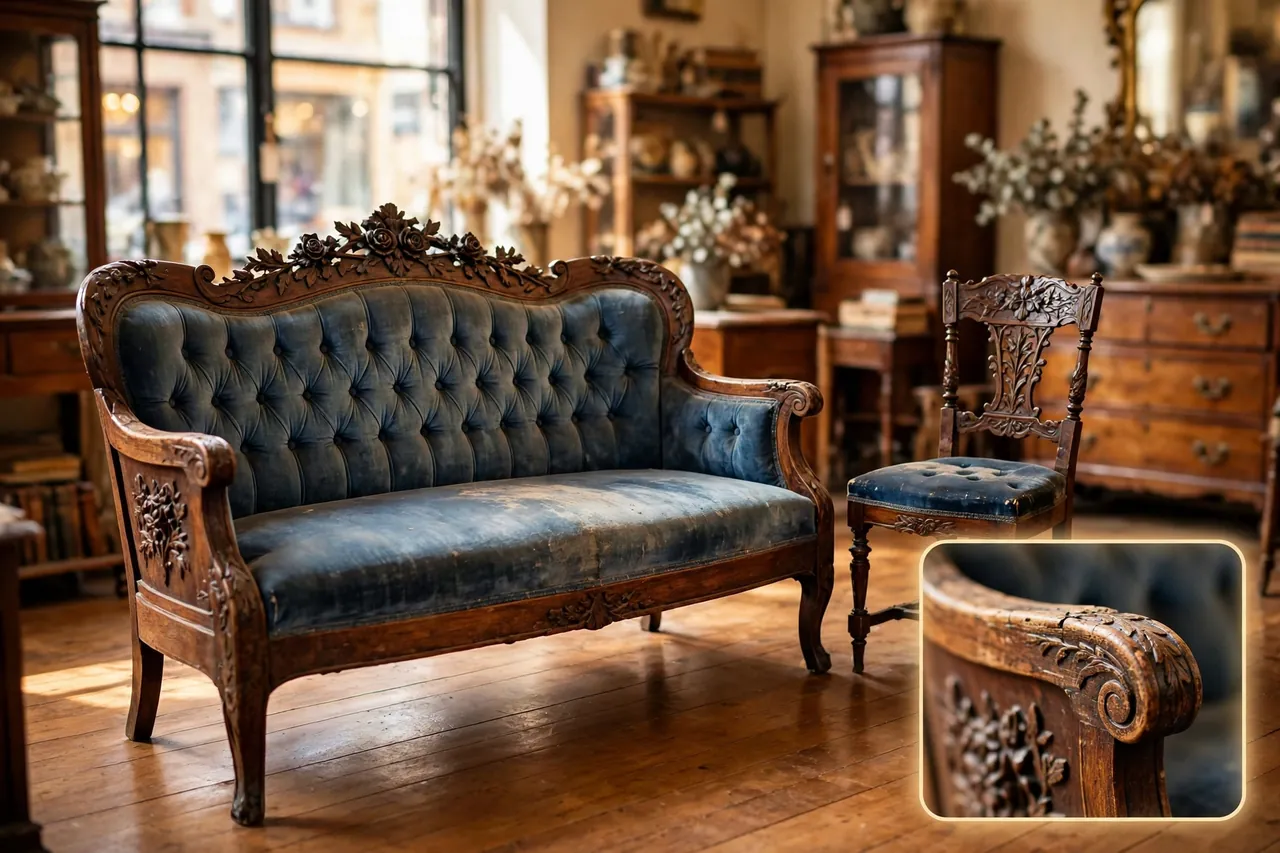
New Victorian-style furniture is easier to price because it is sold like any new sofa. On Wayfair, F&L Homes Studio’s Victorian-inspired sofas run from $1,799.99 for the Etienne sofa to $4,659.99 for the Bently sofa and $6,399.99 for the Versailles sofa, read November 12, 2026. These are new pieces with modern foam cushions, so you pay for the look and the comfort, not for age.
Watch for the middle trap: a reproduction priced like an antique. Before you pay antique money, ask the seller to point to the age evidence in writing — hand-cut dovetails, period finish, maker’s mark, or an appraisal. Our guide to white label furniture explains how the same sofa can appear under several brand names at very different prices, so compare the identical form across sellers before you commit.
| What you are buying | Typical price range | Source |
|---|---|---|
| Antique Victorian couch (1stDibs listings) | $381–$47,181; average $4,412 | 1stDibs |
| New Victorian-style sofa (Wayfair, F&L Homes Studio) | $1,799.99–$6,399.99 | Wayfair |
| Single antique side chair, ordinary condition | A few hundred dollars | Typical dealer range |
| Named-maker parlor suite, original condition | Five figures and up | Collector market |
Prices on 1stDibs are asking prices from dealers, and the site itself notes that most prices are negotiable, with buyers often getting 15 to 25 percent off the list price. Treat any listed price as the start of a conversation, and budget separately for delivery.
Victorian Furniture by Room: Where Each Piece Belongs
Victorian furniture was designed room by room, with revival styles matched to rooms: Rococo Revival ruled the parlor, Gothic Revival suited the library and dining room, and Renaissance Revival worked in bedrooms and reception rooms. Following that old map keeps a modern home from looking like a random antique shop.
The parlor, today’s living room, was the formal heart of the Victorian home. Typical pieces were carved settees and sofas, tufted chaise lounges, balloon-back chairs, and marble-topped side tables. A carved sofa with a matching pair of chairs still anchors a living room beautifully, and a small marble-topped side table beside it is the easiest Victorian accent to live with. Our apothecary table guide shows how a compact side table earns its place next to seating. If the sofa faces the hearth, our fireplace renovation ideas help the fireplace and the furniture share the room instead of fighting over it.
Victorian bedrooms featured tall carved headboards, canopy and half-tester beds, dressers with large mirrors, marble-topped washstands, and armoires that stood in place of built-in closets. The tall headboard is the single most dramatic Victorian bedroom piece, and it works even in a modern room because it needs only one wall. Use our guide to how to organize a bedroom so a tall armoire and a big dresser still leave the room easy to live in.
Formal dining rooms centered on large extendable tables with pedestal or turned legs, high-backed upholstered chairs, and impressive sideboards for displaying silver and porcelain. A Victorian dining table is a practical buy because it was built for long dinners and big families, and an extendable top still solves the holiday seating problem today.
Libraries and studies used heavier pieces: leather armchairs, large writing desks, glass-fronted bookcases, and carved cabinets. This is where Gothic Revival feels most at home, and a single leather armchair with a carved bookcase gives a study its character.
How to Mix Victorian Furniture Into a Modern Home
Mix Victorian furniture into a modern home by starting with one statement piece and balancing its ornament with plain walls, simple rugs, and clean-lined furniture around it. One carved sofa or tufted chair can anchor a room on its own, while a full room of Victorian pieces overwhelms a modern house.
Give the statement piece space to breathe. Pair a richly detailed sofa with simpler walls, a plain rug, and lighting that does not compete with the carving. A washable rug in a quiet pattern protects the floor under heavy furniture, and our Tumble Rugs vs Ruggable comparison helps you pick one that survives daily life. Victorian furniture is heavy, so put felt pads under the legs before you slide anything across a wood floor.
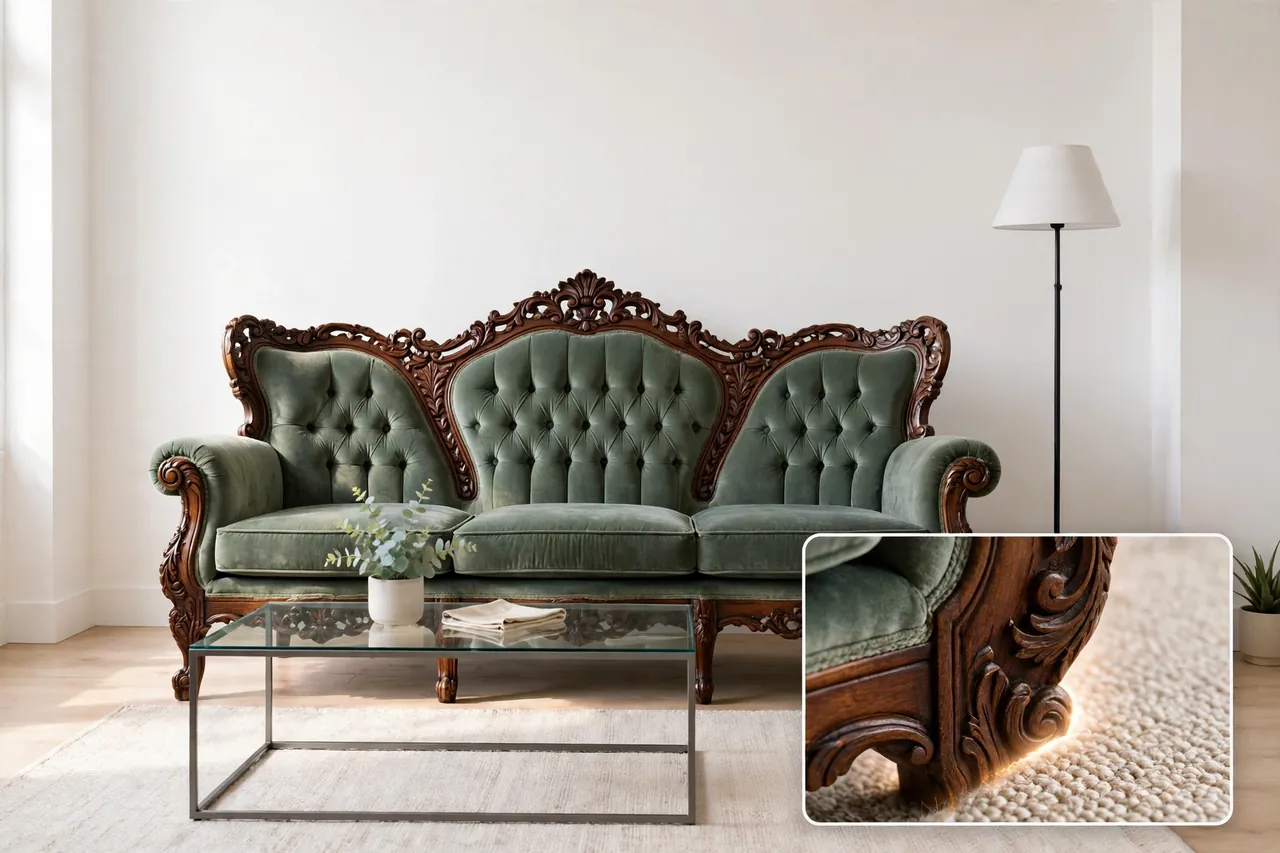
Update the palette instead of copying a period room. Classic Victorian forms look fresh in lighter fabrics, and metallic accents can highlight carved details without repainting the wood. A carved Victorian sofa beside a simple glass coffee table creates a contrast that shows off the craftsmanship instead of burying it.
Mix eras with intention, not by accident. Choose one Victorian piece per room as the star, add one or two smaller Victorian accents such as a marble-top table, and let everything else stay modern. If you inherit a full Victorian suite, try splitting it across rooms: the sofa in the living room, the chairs in the bedroom, the sideboard in the dining room.
Scale is the part most people get wrong. Victorian furniture was built for tall ceilings and large formal rooms, so measure the piece against your ceiling height and your walkways, not just against the wall. A deep tufted sofa needs 30 to 36 inches of walkway in front of it. When the scale fits, even one Victorian piece makes a plain modern room feel collected, warm, and personal.
How to Care for Victorian Furniture
Care for Victorian furniture by dusting carved details gently, keeping pieces out of strong sunlight, and cleaning upholstery according to its fabric type. Victorian pieces survived 150 years because someone looked after them, and the habits that keep them alive are simple, regular, and gentle.
Dust the wood weekly with a soft, dry cloth, and work the cloth into the carving with a soft brush, because dust settles into carved scrolls and dulls the finish. Never use silicone spray polishes on an antique finish, since they build up a film that later restorers must strip off.
Protect the wood from sun and dry air. Strong direct sunlight fades velvet and bleaches dark wood unevenly, so pull a chair out of a sunny window or hang a sheer curtain. Very dry heated air can crack old joints and veneer, so keep the room at normal humidity.
Clean velvet and damask with care. Vacuum upholstery gently with an upholstery attachment, brush velvet lightly in one direction, and blot spills at once instead of rubbing them. Test any cleaner on a hidden spot first, and never steam-clean or machine-wash antique upholstery. For a whole-room refresh, our deep cleaning house checklist walks you through the room around the furniture.
Handle marble tops and gilding gently. Wipe marble with a damp cloth and mild soap, never with vinegar or acidic cleaners, which etch the stone. Dust gilded carving with a soft brush and leave any flaking gold alone, because regilding is skilled work.
Who Should Buy Victorian Furniture — and Who Should Skip It
Buy Victorian furniture if you love ornate craftsmanship, have rooms large enough for heavy formal pieces, and enjoy the hunt for antiques. Skip it if your home is small, your style is strictly minimal, or you need light furniture you can move often.
It is a great fit for a formal living room, a dining room that hosts long dinners, or a bedroom where a tall carved headboard can own one wall. It suits buyers who enjoy patina and history and see a 150-year-old chair as a story rather than a risk. A single statement piece is the safest first buy, because it teaches you how the style lives in your house before you commit to a suite.
It is a poor fit for small apartments, where a deep tufted sofa and a broad sideboard eat the floor plan, and for households with small children or large dogs who climb on furniture daily, because velvet shows wear and carved edges chip. It is also the wrong buy if you want furniture you can rearrange every month, because moving heavy pieces often risks the joints and the veneer.
Reproductions deserve an honest word here too. A new Victorian-style sofa gives you the carved look with modern foam, standard sizes, and a warranty, and for many homes that is the smarter buy. The mistake is paying antique prices for a new piece, or buying a cheap copy with shallow stamped carving.
One last check before you spend: sit in the chair, open every drawer, look underneath, and ask the seller for the age evidence in writing. If the piece passes those checks and still makes your heart lift, take it home.
Related Guides
Victorian furniture works best with the right supporting pieces. Compare washable rugs in our Tumble Rugs vs Ruggable guide, find a side table in our apothecary table guide, and learn how sellers price the same piece differently in our white label furniture guide. If the sofa faces the hearth, our fireplace renovation ideas help the room come together, our how to organize a bedroom guide keeps a tall Victorian bedroom livable, and our deep cleaning house checklist covers the room once the furniture is in place.
Frequently Asked Questions
What is Victorian furniture?
Victorian furniture is the furniture style of the Victorian era, Queen Victoria’s reign from 1837 to 1901. It is known for dark woods, ornate carving, curved shapes, rich upholstery such as velvet, button tufting, and marble tops, and it combines several revival styles, including Gothic, Rococo, and Renaissance Revival.
What are the characteristics of Victorian furniture?
The main characteristics of Victorian furniture are dark polished woods such as mahogany and walnut, elaborate carving, heavy and formal proportions, curved backs and cabriole legs, deep button tufting, rich fabrics like velvet and damask, and decorative details such as marble tops and brass hardware.
What time period is Victorian furniture from?
Victorian furniture comes from the Victorian era, which matches Queen Victoria’s reign in Britain from 1837 to 1901. The style was also popular in the United States during the same period. New Victorian-style furniture made today recreates the look of that era.
What wood is Victorian furniture made of?
Victorian furniture is most often made of mahogany, walnut, and rosewood, which were prized for their rich color and suitability for carving. Oak was common in heavier Gothic Revival pieces. Many pieces also combine solid wood with veneers and marble tops.
How can I tell if furniture is Victorian?
Victorian furniture usually combines dark polished wood, deep carving, curved or cabriole legs, button-tufted upholstery, and a substantial, formal scale, often with marble tops. To confirm whether a piece is a genuine nineteenth-century antique rather than a reproduction, ask a qualified appraiser.
Start with one piece, check it against the seven signs, and measure twice before it comes home. A single carved Victorian sofa can give a modern room a century of character.


